

























About Super Mario Ball
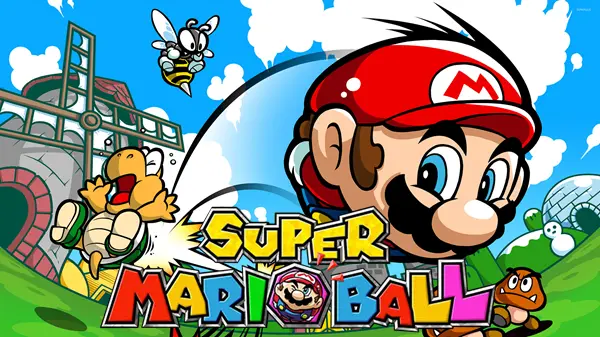
Super Mario Ball is a pinball-action game developed by Fuse Games and published by Nintendo for the Game Boy Advance in 2004. It takes Mario into a completely different setup compared to traditional platformers, placing him inside large pinball-style stages where he constantly moves as the ball itself. Instead of running and jumping, the entire experience revolves around momentum, angles, and how well you can control Mario’s movement through flippers and bumpers.
Each stage is built like a themed pinball table with its own structure, hazards, and interactive elements. You’ll find bumpers that bounce Mario across sections, switches that unlock new paths, moving obstacles that block progress, and hidden areas that only open when certain conditions are triggered. Some sections feel closer to exploration than pure pinball, since progressing often requires hitting specific targets in the right order rather than simply keeping the ball in play.
The game also blends light progression elements into its stage design. Instead of isolated pinball rounds, tables are structured with goals that push you forward through connected areas. This gives each stage a sense of direction, where learning the layout becomes just as important as reacting quickly. The visual style stays bright and readable, making it easier to track Mario’s movement even when the action becomes chaotic.
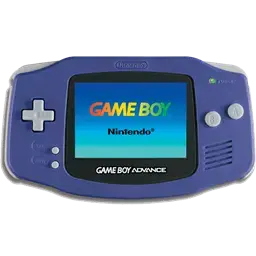
On Emulator Games Zone, it can be played through a GBA Emulator, bringing the full handheld experience directly into the browser without any setup.
How To Play
Super Mario Ball focuses on controlling Mario’s movement through pinball physics using flippers and timed interactions. Mario is launched into each table and constantly reacts to gravity, bumpers, and environmental objects as he bounces through different sections.
Flippers are the main control tool. Pressing them at the right moment sends Mario in different directions, and timing is critical for reaching upper paths or hitting key switches. Poor timing can easily send Mario into lower sections or reset progress in certain areas of the table.
Each stage includes interactive targets that must be activated to progress. These can open gates, trigger moving platforms, or reveal hidden sections that are necessary for completing the stage. Some paths require precise hits, while others depend on maintaining enough momentum to reach higher parts of the table.
As stages progress, layouts become more layered and require better control over direction and speed. Instead of simply keeping Mario in play, players need to plan how to reach specific objectives while avoiding hazards that can interrupt momentum or push him away from key areas.