






















About Mario Party Advance
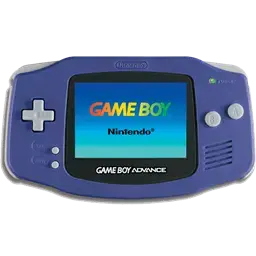
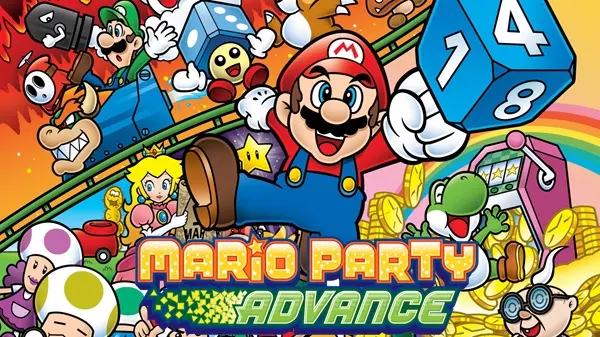
Mario Party Advance is a party-style mini-game collection developed by Hudson Soft and published by Nintendo for the Game Boy Advance in 2005. Instead of the traditional board game structure seen in other Mario Party entries, this version focuses on a single-player adventure built around exploring a map, collecting items, and completing a wide variety of small missions given by different characters in the Mushroom Kingdom.
The game is set in Shroom City, where Mario and friends are invited to take part in a series of challenges and requests scattered across different areas. Rather than rolling dice on a board, progression happens by moving between locations and accepting “Gaddgets” and missions that range from simple reflex tasks to quirky interaction-based mini-games. Each character you meet offers different objectives, giving the game a more quest-driven structure compared to the multiplayer-focused entries in the series.
While earlier Mario Party games are built around group competition, Mario Party Advance shifts toward a more solo experience, where exploration and mini-game completion replace direct player-versus-player chaos. On Emulator Games Zone, it can be played through a GBA Emulator, allowing the full handheld experience to run directly in-browser.
How To Play
Mario Party Advance is structured around moving through Shroom City and accepting missions from various characters. Instead of taking turns on a board, you explore different areas and choose which tasks to complete, gradually unlocking more content as you progress.
Each mission is presented as a short mini-game with a specific objective. Some require quick reactions, such as tapping or timing inputs, while others focus on simple problem-solving or movement-based challenges. Completing these missions rewards items, progress, and new requests from other characters.
A key feature of this version is the Gaddget system, where players collect small devices that introduce additional mini-games and interaction tools. These Gaddgets can be used in different situations, often requiring experimentation to understand how they function and when they are most useful.
Progression is less about competition and more about completion. As you move through the city, new areas open up and more complex missions become available, gradually increasing difficulty and requiring faster reactions and better familiarity with each mini-game type.