




About Mario Party
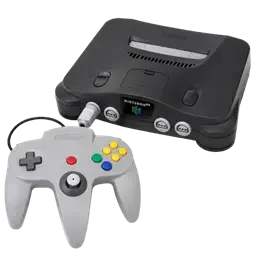
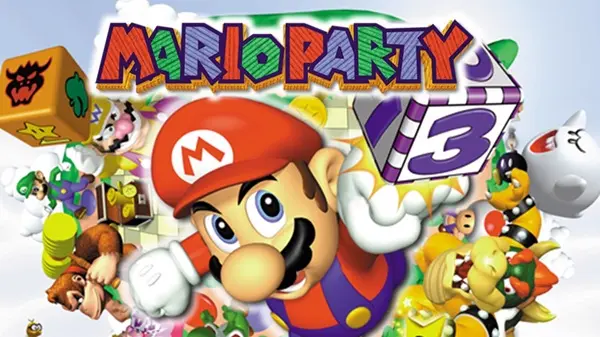
Mario Party is a party board game–style multiplayer game developed by Hudson Soft and published by Nintendo for the Nintendo 64 in 1998. It marks the beginning of one of Nintendo’s most recognizable multiplayer series, designed around competitive mini-games, board movement, and unpredictable player interactions rather than traditional platforming.
The game brings Mario, Luigi, Peach, Yoshi, and other familiar characters together on themed game boards where each match plays out like a digital board game. Players take turns rolling dice, moving across spaces, collecting coins, and competing for Stars, which ultimately determine the winner. While the structure looks simple at first, every board introduces traps, shortcuts, and event spaces that can quickly change the outcome of a match.
Between turns, players are thrown into fast-paced mini-games that test timing, coordination, memory, or quick decision-making. These mini-games often determine how many coins a player earns, making them just as important as board movement. The mix of strategy and chaos is what gives Mario Party its distinct rhythm, where no match ever unfolds the same way twice.
You can play Mario Party on Emulator Games Zone using our Nintendo 64 Emulator, letting you experience the original multiplayer party game directly in your browser.
How To Play
Each match begins by selecting a character and a game board, then players take turns rolling dice to move across the map. The goal is to collect enough coins and purchase Stars, which are placed in different locations on the board and often shift positions during the match.
Movement is only part of the strategy. Landing on different board spaces can trigger events such as losing coins, gaining bonuses, or entering surprise challenges. Choosing routes becomes important, especially when multiple paths lead to different risks and rewards.
After every round of turns, a mini-game begins with all players participating. These short challenges vary widely—from racing and timing-based competitions to memory tests and team battles. Winning mini-games provides extra coins, which can influence who is able to buy Stars later in the match.
The Nintendo 64 version introduces the core formula that defines the series: a balance of planning, randomness, and competitive mini-games. Because of this mix, even players who are far behind can still turn the game around with a strong mini-game performance or a lucky board event.