








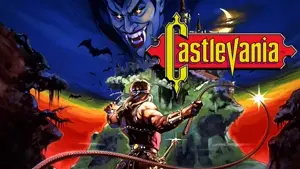
About Castlevania II: Belmont's Revenge
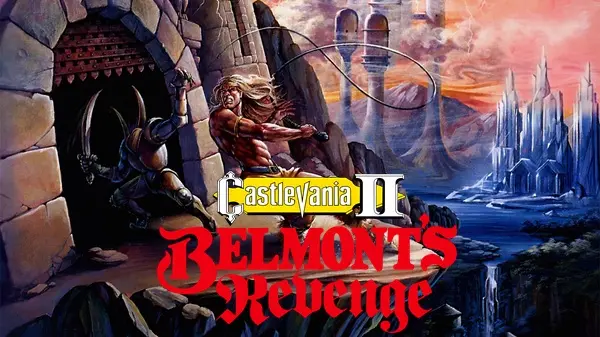
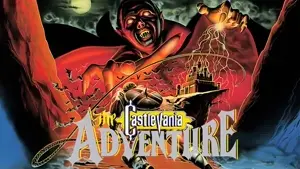
Castlevania II: Belmont's Revenge is an action-platform game developed and published by Konami, released in 1991 for the Game Boy. It serves as a direct sequel to Castlevania: The Adventure, continuing the story of Christopher Belmont, a vampire hunter from the legendary Belmont lineage. Even within the limitations of the handheld hardware, the game manages to deliver a surprisingly rich gothic atmosphere, with detailed castle environments, eerie background tones, and tightly designed stages.
The story takes place after Dracula’s apparent defeat, but peace is short-lived. Dracula is resurrected through dark rituals and spreads his influence across four corrupted castles, each tied to a different elemental or supernatural theme. Christopher is forced back into battle, traveling across these cursed locations to destroy Dracula’s revived form and restore balance once again. Each castle feels distinct, not just visually but also in enemy behavior and stage structure, giving the journey a strong sense of progression and escalation.
Compared to the first Game Boy entry, this game is noticeably more refined. Movement is smoother, combat feels more responsive, and level design is far more deliberate. It is often remembered as one of the strongest Castlevania titles on handheld systems due to how well it translates the series’ console-style challenge into a portable format.
At Emulator Games Zone, you can experience Castlevania II: Belmont's Revenge on a Game Boy emulator, playing directly in your browser without any setup.
How To Play
In Castlevania II: Belmont's Revenge, you control Christopher Belmont as he moves through side-scrolling levels filled with enemies, traps, and platforming challenges. The primary weapon is the Belmont whip, which is used for both close-range combat and timing-based enemy encounters. Positioning matters a lot—many enemies require you to wait for the right moment before striking, especially in narrow corridors or multi-enemy sections.
Each of the four castles is structured like a self-contained stage with increasing difficulty. Early areas focus on basic movement and simple enemy patterns, while later stages introduce faster enemies, collapsing platforms, and tighter jumping sequences. Environmental hazards such as spikes, pits, and moving platforms play a bigger role as you progress, making precision more important than raw aggression.
Sub-weapons return as an important combat layer. Items like throwing daggers, axes, and holy water can help clear groups of enemies or deal heavy damage to bosses. However, their usage depends on collecting hearts, which act as both ammunition and a resource to manage during longer sections of a stage. Deciding when to use sub-weapons versus relying on the whip becomes part of the strategy.
Boss fights at the end of each castle are more than simple damage races. Each one has specific attack patterns that require observation and timing. Some bosses punish careless movement, while others demand careful spacing and consistent dodging before you can safely counterattack.
The overall structure encourages learning through repetition—memorizing enemy placements, mastering jump timing, and understanding when to take risks. As Christopher moves deeper into Dracula’s restored stronghold, each castle feels more intense, rewarding players who adapt their rhythm and refine their control over both combat and platforming.