






About Tomb Raider: Legend
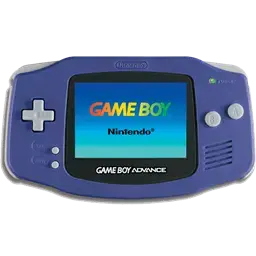
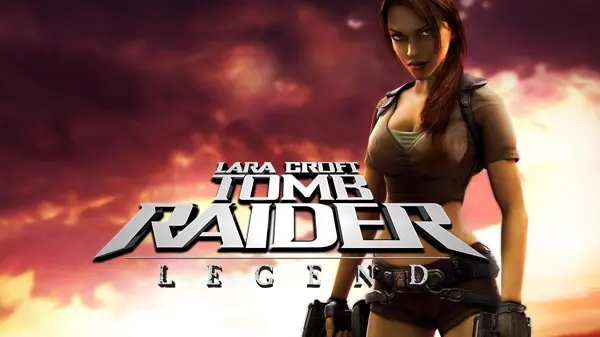
Tomb Raider: Legend is an action-adventure game developed by Crystal Dynamics and published by Eidos Interactive, released in 2006 for PlayStation 2, Xbox, Xbox 360, PC, GBA, and later other platforms. It marks a major reboot for the Tomb Raider series, reintroducing Lara Croft with a refreshed visual style, improved controls, and a more cinematic presentation.
The story follows Lara Croft as she investigates the mystery behind the ancient sword Excalibur and a personal connection to her mother’s disappearance. Her journey takes her across multiple regions of the world, including South America, the Mediterranean, Africa, and the Himalayas, with each location tied to fragments of a larger historical mystery.
Compared to earlier Tomb Raider titles, Legend shifts toward faster pacing and more fluid movement. Environments are designed with clearer traversal paths, blending platforming with cinematic action sequences. The game also introduces more narrative-driven cutscenes, giving Lara a more defined personality and emotional motivation throughout the story.
Exploration remains central, but the structure feels more guided, with puzzles integrated into smoother platforming routes and combat encounters appearing more frequently. Vehicles also play a larger role, including motorcycle and water-based segments that break up traditional tomb exploration.
Players visiting Emulator Games Zone can experience Tomb Raider: Legend through the GBA emulator and revisit the reboot that reshaped Lara Croft for a new generation.
How To Play
Tomb Raider: Legend uses a third-person action-adventure system with a strong focus on fluid movement and cinematic traversal. Players control Lara Croft as she climbs, jumps, swings, and interacts with environments designed to support fast-paced exploration.
Movement is more responsive compared to earlier entries. Lara can perform contextual actions such as wall-running, ledge grabs, and pole swings, allowing smoother transitions between platforming sections. Many areas are designed as linear routes with optional side paths for exploration and collectibles.
Combat is faster and more dynamic. Lara uses dual pistols along with a variety of unlocked weapons, and encounters often involve multiple enemies at once. The game emphasizes mobility during fights, encouraging players to move between cover, platforms, and open spaces instead of standing still.
Puzzle design is integrated into the environment rather than separated from traversal. Players often solve spatial challenges while progressing through platforms, such as activating mechanisms mid-movement or aligning ancient structures to open new paths.
Vehicle sequences appear throughout the game, offering short changes in gameplay style. These sections include high-speed chases and timed navigation challenges that contrast with indoor exploration and puzzle areas.
The overall experience is more cinematic and streamlined than earlier Tomb Raider games, combining exploration, combat, and scripted action sequences into a more continuous and accessible adventure flow.