










About Dragon Quest V: Hand of the Heavenly Bride
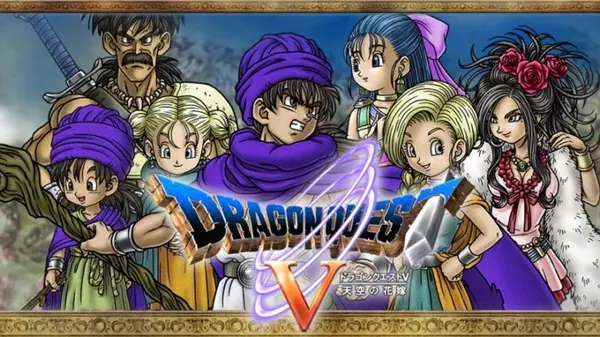
Dragon Quest V: Hand of the Heavenly Bride is a turn-based RPG developed by Enix and released in 1992 for the Super Famicom. It is widely regarded as one of the most personal entries in the Dragon Quest series, built around a story that follows a single character across different stages of life rather than a fixed short-term adventure.
The game begins with a young boy traveling alongside his father, gradually being drawn into a much larger fate involving ancient prophecies, forgotten powers, and a conflict that stretches across generations. As the narrative unfolds, the protagonist experiences major shifts in his life—childhood memories, adulthood responsibilities, and moments that reshape his relationships and future direction.
What gives this entry its identity is how the world feels tied to the hero’s growth. Towns, events, and even certain characters appear differently depending on the stage of the story, making progression feel more like living through time rather than simply advancing levels. Alongside traditional turn-based combat, the game also introduces one of the series’ most memorable mechanics: recruiting monsters that appear during battles and bringing them into your party.
You can experience Dragon Quest V: Hand of the Heavenly Bride today at Emulator Games Zone using an SNES emulator directly in your browser.
How To Play
The adventure unfolds through a mix of exploration, dialogue, and turn-based encounters. You move through villages, castles, caves, and overworld routes, often learning where to go next by speaking with NPCs and picking up subtle story hints rather than following direct markers.
Combat is structured around a standard turn system where each character acts in sequence. Party members include human companions with fixed roles as well as monsters that can be recruited after battle. These monsters behave like full party members, with their own stats, strengths, and combat styles, which makes team composition something that changes constantly as new allies appear.
As the story progresses, new companions join and leave the party at different moments, which shifts how battles are approached. Some areas encourage building balanced teams for survival, while others reward experimenting with unusual monster combinations or focusing on specific strengths like healing or high-damage attacks.
Equipment upgrades, spell learning, and resource management all play a role in longer dungeon runs, where healing items and MP conservation become important. Certain encounters are designed around testing whether your current party setup can handle sustained fights rather than single skirmishes.
Progressing through the game often means returning to earlier regions with new context or companions, opening paths that were previously unavailable and revealing how the world has changed alongside the protagonist’s journey.