









About FIFA International Soccer
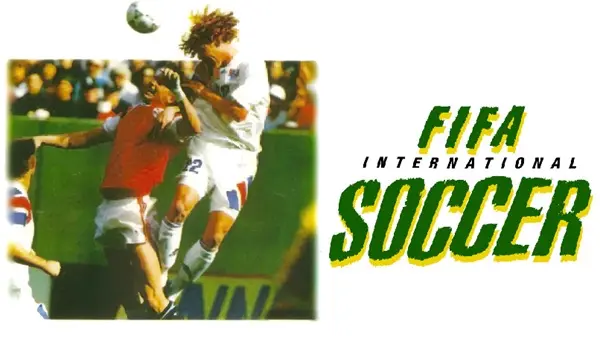
FIFA International Soccer is a football simulation game developed by Extended Play Productions and published by EA Sports in 1993. It was the first title in what would become the long-running FIFA series, introducing a new style of soccer gameplay that focused on fluid movement, recognizable international teams, and a broadcast-inspired camera angle instead of the traditional top-down view used by many sports games at the time.
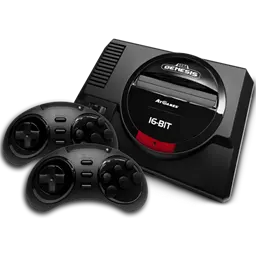
Unlike arcade-style football games of the early 1990s, FIFA International Soccer aimed for a more authentic match experience. The game features national teams from around the world, though it does not include real player names due to licensing limitations. Even so, each team has its own strengths, making matches feel different depending on who you choose. The original release appeared on the Sega Genesis (Mega Drive) before expanding to platforms including MS-DOS, Amiga, Game Gear, Sega Master System, Sega CD, 3DO, and SNES.
The Sega Genesis version became especially well known for its smooth animation, fast response, and distinctive isometric perspective, which gave players a better sense of passing lanes and field positioning than many competing soccer games of the era. It also includes small touches that add personality, such as players arguing with referees after fouls and the ability to score from creative angles, giving every match its own memorable moments.
If you want to experience where the FIFA franchise began, you can play FIFA International Soccer online right here on Emulator Games Zone using the Sega Genesis Emulator, making it easy to revisit one of EA Sports' most influential early sports titles directly in your browser.
How To Play
The Sega Genesis version focuses on quick, accessible football rather than deep management systems. You choose one of the available national teams, select match settings, and compete in exhibition games or tournament-style competitions. Success comes from moving the ball with short passes, switching play to open space, and timing through balls to create scoring chances instead of relying on constant long shots.
The control scheme is straightforward. One button handles passing, another performs shots, and defensive actions change depending on whether your team has possession. Without the ball, you'll chase opponents, attempt tackles, and try to intercept passes before launching a counterattack. Goalkeepers are controlled automatically, so the emphasis stays on positioning your outfield players effectively.
One of the most memorable aspects of this version is its isometric camera. It changes how you judge distance and angles, making crosses, diagonal passes, and breakaway runs feel different from other football games released during the same period. The ball can also bounce unpredictably after tackles or deflections, creating loose-ball situations that reward quick reactions.
Matches move at a brisk pace, encouraging attacking football while still rewarding patience in midfield. Learning when to pass instead of dribbling through defenders, using the wings to stretch the defense, and finishing calmly inside the penalty area are the keys to winning consistently. Although the mechanics are easy to understand, mastering ball movement and reading the flow of the game gives FIFA International Soccer lasting replay value.