







About Gradius III
Gradius III is a side-scrolling shoot ’em up developed and published by Konami, first released in arcades in 1989. It continues the long-running battle between the Vic Viper and the Bacterion Empire, but this entry pushes things further with more elaborate stage design, heavier enemy pressure, and a noticeable jump in difficulty compared to earlier games in the series.
The game is built around constantly shifting environments that keep you on edge. One stage might throw you into tight mechanical corridors filled with laser traps, while another opens into wide space battles packed with fast-moving enemy formations. Gradius III is also known for its unpredictability—hazards often appear with little warning, forcing quick adjustments in movement and positioning.
Before each run, players can choose different weapon loadouts, which changes how the ship develops during gameplay. The classic Gradius power-up bar still plays a central role, letting you collect capsules and activate upgrades like speed boosts, missiles, lasers, Options, and shields. In Gradius III, choosing the right upgrade path early can make a big difference in surviving later stages.
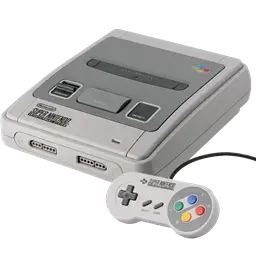
Originally released in arcades, Gradius III later appeared on multiple home platforms, with the Super Famicom/SNES version becoming especially well known for bringing the experience to consoles. You can play this version on Emulator Games Zone using a SNES emulator directly in your browser.
How To Play
In Gradius III, you control the Vic Viper through a series of horizontally scrolling stages filled with enemy waves, environmental hazards, and large-scale boss encounters. The controls are simple—move freely, shoot constantly, and stay alive—but the game quickly becomes demanding as enemy patterns grow denser.
Enemies drop power capsules that advance your upgrade bar. When the meter reaches a selected slot, you can activate upgrades such as speed increases, missile types, laser weapons, Options, or defensive shields. Managing this system is essential, especially when preparing for stages with sudden difficulty spikes.
Each stage has its own identity. Some sections focus on tight navigation through narrow mechanical structures, while others emphasize open combat with heavy projectile pressure. Later stages introduce more aggressive enemy formations and faster attack patterns, leaving little room for mistakes.
The SNES version includes slight adjustments in pacing and visual effects compared to the arcade release, making certain sections more forgiving while still keeping the core challenge intact. Boss fights remain a highlight, often requiring careful positioning and pattern recognition rather than simple firepower.
Overall, Gradius III rewards patience and memorization. Progress depends on learning enemy behavior, choosing upgrades wisely, and maintaining control in increasingly chaotic battles.