






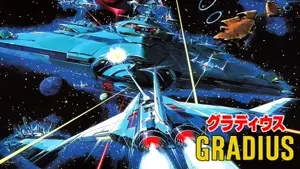
About Gradius II
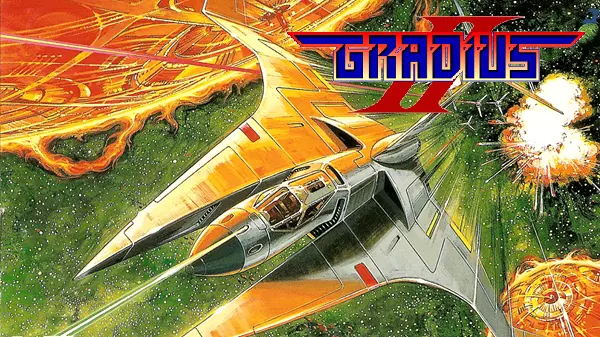
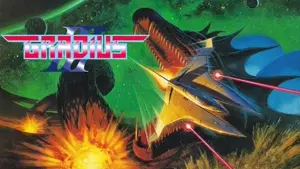
Gradius II is a classic side-scrolling shoot ’em up developed and published by Konami, first released in arcades in 1988 as the direct sequel to the original Gradius. It continues the story of the Vic Viper as it is once again deployed to face the Bacterion Empire, a returning threat that pushes humanity into another large-scale space conflict.
Compared to the first game, Gradius II feels more layered and aggressive in its design. Enemy formations are denser, stage themes are more varied, and the overall pacing is more intense from the very beginning. The game is known for mixing traditional space environments with surreal and dangerous settings, including crystal-filled zones, volcanic regions, and mechanical fortresses that constantly shift pressure on the player.
One of its defining elements is the expanded power-up system. While still based on the classic Gradius upgrade bar, Gradius II introduces multiple selectable loadouts at the start of a run, allowing players to tailor their ship’s behavior before the action begins. This small change adds flexibility without breaking the familiar rhythm of collecting capsules during gameplay.
Originally released in arcades, Gradius II later appeared on platforms such as the Famicom and PC Engine, with each version adapting the experience in different ways. Players can also experience the NES-style version directly on Emulator Games Zone using a NES emulator in the browser.
How To Play
In Gradius II, you control the Vic Viper through a series of horizontally scrolling stages filled with enemy waves, environmental hazards, and large-scale boss encounters. Movement is free across the screen, and survival depends on carefully dodging incoming fire while maintaining consistent offense.
Enemies drop power capsules that advance your upgrade bar, allowing you to activate enhancements like speed boosts, missiles, lasers, Options, and shields. Timing your upgrades is important, especially when preparing for dense sections where visibility becomes limited and enemy fire patterns tighten.
Before each run, players can choose different preset equipment configurations, which slightly changes how the ship behaves from the start. Some setups favor aggressive firepower, while others provide more defensive stability, which becomes important in later stages where mistakes are heavily punished.
Stages vary widely in structure. Some levels focus on open-space combat with heavy enemy swarms, while others introduce tight corridors or shifting environmental hazards that force careful navigation. Boss battles often take the form of large mechanical or organic structures, each with distinct attack patterns that must be learned over time.
Across different platform releases, pacing and stage tuning may vary slightly, but the core experience remains focused on precision movement, smart upgrade management, and surviving increasingly complex enemy formations.