









About Gradius: The Interstellar Assault
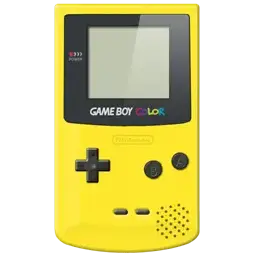
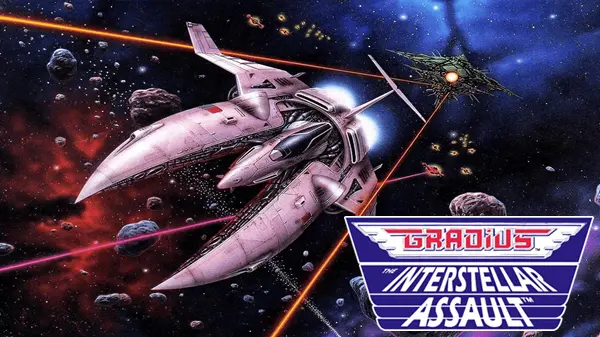
Gradius: The Interstellar Assault is a side-scrolling shoot ’em up developed by Konami and released for the Game Boy in 1991. Set in the same sci-fi universe as the main Gradius series, the game follows another desperate mission against the Bacterion Empire, bringing the familiar Vic Viper into a more compact handheld battlefield.
Instead of simply shrinking the arcade experience, this entry is built as its own self-contained adventure. The stages are shorter and more tightly structured, but still carry the same pressure-driven design the series is known for. You’ll move through space environments filled with enemy squadrons, shifting hazards, and large mechanical structures that block your path in unexpected ways.
The pacing is more focused compared to the arcade entries, with encounters designed around the limitations and strengths of handheld play. Enemy waves come quickly, but the game avoids overwhelming complexity, keeping each stage readable even during heavy action. The result is a more direct, almost streamlined take on Gradius-style combat.
Players can experience this Game Boy version of Gradius: The Interstellar Assault on Emulator Games Zone using a Game Boy emulator directly in the browser, bringing this portable sci-fi shooter back to modern screens.
How To Play
In Gradius: The Interstellar Assault, you control the Vic Viper as it travels horizontally through compact space stages filled with enemy ships, defensive turrets, and environmental obstacles. Movement is smooth and responsive, and staying alive depends heavily on positioning and timing rather than brute force.
Enemies drop power capsules that advance your upgrade bar, letting you activate improvements such as speed boosts, missiles, and upgraded weapon systems. Because stages are shorter and more concentrated, choosing when to trigger upgrades becomes especially important during sudden difficulty spikes.
Compared to console and arcade entries in the series, this version focuses on tighter level design and faster decision-making. There’s less downtime between encounters, and enemy patterns tend to appear in more immediate bursts rather than long buildup sequences.
Boss fights are structured around clear weak points and predictable attack cycles, but the limited screen space makes dodging feel more constrained. Learning how each boss behaves within a smaller playfield is key to surviving later stages.
Overall, the game keeps the core Gradius feel—constant pressure, upgrade management, and pattern-based survival—but adapts it into a more compact handheld format that rewards quick reactions and efficient movement.