









About Tetris
Tetris is one of the most influential puzzle games ever created. Designed by Alexey Pajitnov in 1984 while working at the Soviet Academy of Sciences, the game began as a simple computer experiment before becoming a worldwide phenomenon. Its straightforward idea—arranging falling blocks into complete horizontal lines—proved so addictive that it quickly spread across computers, consoles, handheld systems, and arcade machines, helping define an entire genre.
Unlike many puzzle games of its era, Tetris has no story or characters to follow. Instead, it challenges players to react quickly, think ahead, and manage limited space. Seven differently shaped pieces, known as tetrominoes, fall one after another, and every placement affects what comes next. A well-planned move can clear multiple lines at once, while a small mistake may leave gaps that become harder to fix as the game speeds up.
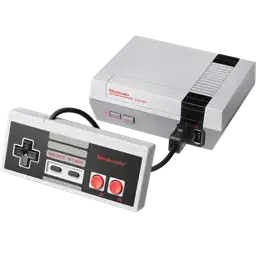
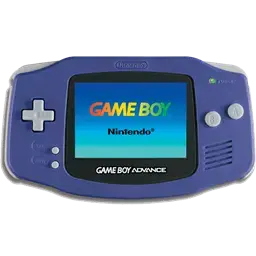
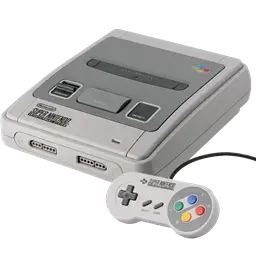
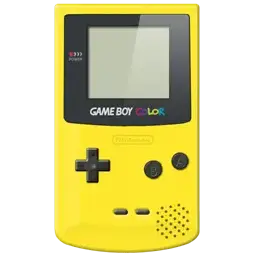
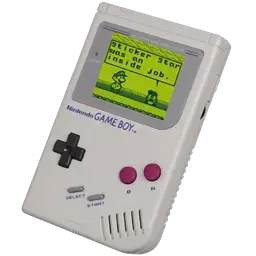
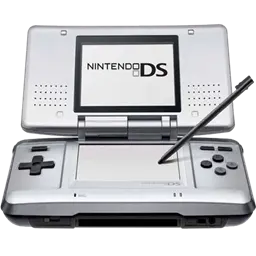
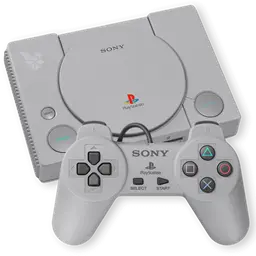
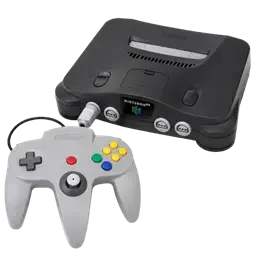
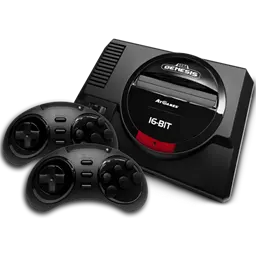
Since its debut, Tetris has appeared on a wide variety of platforms, including the NES, Game Boy, Game Boy Color, SNES, Sega Genesis, Game Gear, MS-DOS, arcade systems, PlayStation, Nintendo 64, Nintendo DS, mobile devices, and many more. While each version introduces small differences in graphics, music, controls, or multiplayer features, the core puzzle gameplay has remained remarkably consistent for decades.
The NES version, released by Nintendo in 1989, became one of the most recognizable editions of the game. Its responsive controls, memorable music, and steadily increasing difficulty made it a favorite among home console players and speedrunners alike. Many competitive Tetris events today still use this classic NES release because of its simple rules and high skill ceiling.
If you'd like to experience this legendary puzzle game in your browser, you can play Tetris online at Emulator Games Zone using the NES Emulator, making it easy to enjoy the original console version without installing additional software.
How To Play
Your objective is to place each falling tetromino so that it completes one or more horizontal lines. Whenever a line is filled completely, it disappears, creating more space and increasing your score. The game continues until the stack of blocks reaches the top of the playfield.
In the NES version, each piece can be moved left or right as it falls, rotated to fit into tight spaces, or dropped more quickly when you're confident about its position. As you clear more lines, the falling speed gradually increases, leaving less time to react and making careful planning increasingly important.
Choosing where to place each piece is the heart of the game. Keeping the stack relatively flat gives you more options for future pieces, while leaving a single open column allows you to score a "Tetris" by clearing four lines at once with the long I-shaped tetromino. Balancing short-term survival with long-term planning becomes more important as the pace accelerates.
Compared with many modern releases, the NES version offers a more deliberate and demanding experience. There are no piece previews, hold mechanics, or modern rotation systems to rely on. Success depends on recognizing patterns quickly, making precise movements, and adapting when the next piece isn't the one you were hoping for. Its clean presentation and straightforward rules make every high score feel earned, which is one of the reasons this version remains popular with both casual players and competitive enthusiasts today.