




About Double Dragon
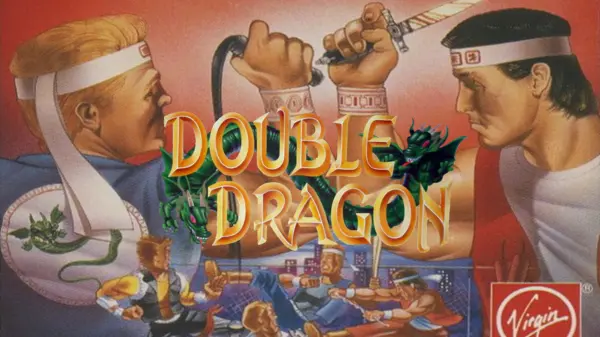
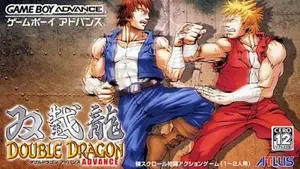
Double Dragon is one of the games that helped define the beat 'em up genre. Developed by Technōs Japan and originally released in arcades in 1987, the game quickly became a worldwide success and later received ports for several home systems, including the Nintendo Entertainment System. The NES version, released in 1988, became especially popular and introduced many players to the adventures of martial arts brothers Billy and Jimmy Lee.
The story takes place in a crime-ridden future where street gangs have taken control of the city. After Marian is kidnapped by the Black Warriors, Billy Lee begins a dangerous journey through back alleys, industrial zones, forests, and enemy hideouts to rescue her. The simple setup gives the game a classic action movie feel, with each stage bringing tougher opponents and new challenges.
Although the arcade original laid the foundation, the NES release was far more than a direct conversion. Technōs redesigned much of the game specifically for the console, adding an experience system and changing the structure of several stages. As Billy defeats enemies and gains experience points, he gradually learns stronger techniques, giving the adventure a sense of progression that was uncommon for action games at the time.
The game's atmosphere is another reason why it has remained memorable. From the iconic soundtrack to the rough urban environments, everything feels distinctly late-1980s. Even decades later, many players still recognize Double Dragon as one of the titles that inspired countless beat 'em ups that followed.
Today, visitors to Emulator Games Zone can revisit Double Dragon through a NES emulator and experience the game directly in their browser. Whether you're returning for nostalgia or discovering the series for the first time, it's an easy way to see where the legendary franchise began.
How To Play
In Double Dragon, you control Billy Lee as he fights his way through four stages filled with gang members and powerful bosses. Players can move freely across the screen and attack using punches, kicks, jumps, and special techniques. Defeated enemies occasionally drop weapons, allowing you to temporarily turn the tables against larger groups.
Unlike the arcade version, the NES release introduces a level-up system. At the beginning, Billy only has a limited set of moves, but defeating enemies earns experience points that unlock stronger attacks over time. New abilities include jump kicks, elbow strikes, hair grabs, and the famous uppercut, making combat gradually more varied as the adventure progresses.
Weapons play a major role throughout the game. Enemies may carry baseball bats, whips, knives, or rocks, and picking them up can provide a huge advantage. Since weapons are often limited and can be lost, deciding when to use them becomes part of the strategy.
Each stage has its own identity. City streets are crowded with gang members, industrial areas feature moving conveyor belts, and later sections introduce dangerous cliffs and narrow platforms. Positioning matters just as much as attacking, especially in stages where a mistimed jump can send you falling into a pit.
Enemy behavior also changes as you advance. Some opponents rush directly toward you, while others attack from a distance or try to surround you. Learning how to space attacks and avoid being trapped is essential for surviving the later parts of the game.
One of the biggest differences in the NES version is its focus on character growth. Instead of starting with every move available, players gradually become stronger as they progress. This gives the game a rewarding sense of development and makes reaching the final battle feel like the culmination of Billy's journey.
Simple to understand but surprisingly challenging to master, Double Dragon remains a classic example of early side-scrolling action and an important chapter in the history of the beat 'em up genre.