












About Spyro 2: Ripto's Rage
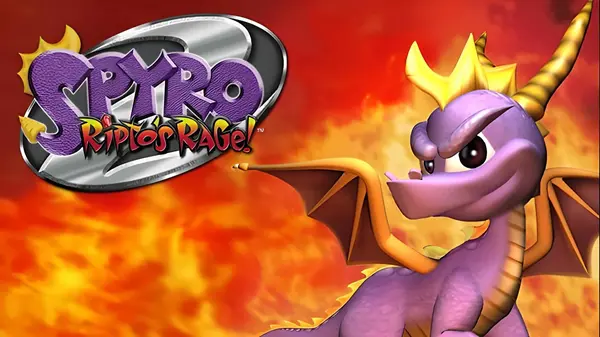
Spyro 2: Ripto's Rage! is a 3D platform adventure game developed by Insomniac Games and released by Sony Computer Entertainment in 1999 for the PlayStation. As the sequel to Spyro the Dragon, the game expands the series with larger worlds, new movement abilities, mini-games, and a stronger focus on exploration and character interaction.
The story begins when Spyro attempts to take a vacation but is accidentally transported to the world of Avalar, a realm under attack by the short-tempered sorcerer Ripto. Spyro becomes the unlikely hero tasked with helping local inhabitants, recovering magical orbs, and stopping Ripto’s growing control over the world.
Compared to the original game, Ripto’s Rage introduces more variety in both gameplay and level design. Each world contains side missions, unique characters, puzzle challenges, and optional objectives that make exploration feel more rewarding. The game also adds swimming, climbing, and advanced movement abilities that gradually unlock new areas throughout the adventure.
Its colorful environments, playful humor, and smooth platforming helped make Spyro 2 one of the most beloved PlayStation platformers of its era.
How To Play
In Spyro 2: Ripto's Rage!, players control Spyro through large 3D platforming worlds filled with enemies, collectibles, puzzles, and mission-based challenges.
Spyro can run, jump, glide, charge into enemies with his horns, and breathe fire to defeat smaller opponents or activate objects in the environment. As the game progresses, new abilities such as swimming underwater, climbing ladders, and hovering become available, opening access to previously unreachable areas.
Unlike the first game, many stages include side missions and mini-games alongside the main platforming objectives. Players may protect characters, complete timed challenges, play hockey-style matches, or solve environmental puzzles to earn collectible orbs.
Gems remain scattered throughout every level and are used to unlock certain areas and abilities. Careful exploration is important, since hidden paths and secret rooms often contain collectibles or bonus challenges.
Later stages introduce tougher enemies, more complex platforming sections, and faster combat encounters that require better timing, movement control, and use of Spyro’s expanding abilities.