















About Mario Golf
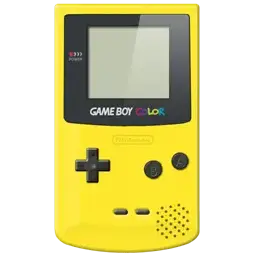
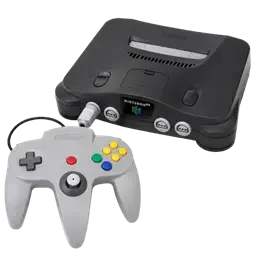
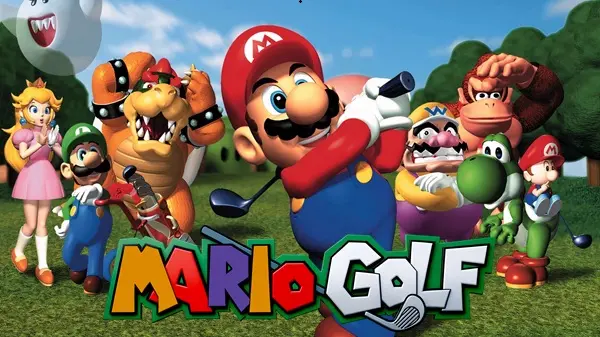
Mario Golf is a sports game that takes a relaxed idea like golf and turns it into something much more playful and approachable. Developed by Camelot Software Planning and published by Nintendo, it first appeared on the Nintendo 64 in 1999, later followed by a Game Boy Color version that added a more RPG-like progression system. Instead of focusing on realism, the game blends traditional golf mechanics with the familiar Mario universe, bringing in characters like Mario, Luigi, Peach, and Bowser onto colorful, varied courses.
The Nintendo 64 version focuses on 3D golf courses with straightforward controls and timing-based swings, while the Game Boy Color version adds character development, training matches, and a story-like career path for your created golfer. Both versions share the same core idea: easy to pick up, but with enough control over spin, power, and positioning to keep matches engaging over time. Courses range from standard fairways to more playful environments with slopes, hazards, and environmental quirks that affect each shot.
Players can experience Mario Golf directly on Emulator Games Zone using an N64 Emulator, making it possible to play the original console version in-browser without additional hardware.
How To Play
Mario Golf uses a simple shot system built around timing and precision rather than complex inputs. You choose your club, aim your direction, then build power with a three-click swing mechanic—one click to start, one to set power, and one to determine accuracy. The better your timing, the straighter and more controlled your shot will be.
On the Nintendo 64 version, matches are structured around standard golf rules with 9 or 18 holes, where wind, terrain height, and ball lie all influence shot outcomes. Learning how to read slopes and adjust spin becomes important, especially on more challenging courses where a straight shot rarely guarantees a safe landing.
The Game Boy Color version shifts the experience by letting you create a custom golfer and progress through tournaments and training sessions. Improving stats like power and control directly affects how the ball behaves, adding a light progression layer that changes how you approach each course over time.
Across both versions, the key rhythm stays the same: plan your shot, judge the environment, and execute with timing that rewards consistency more than speed.