

About The Legend of Zelda: A Link to the Past
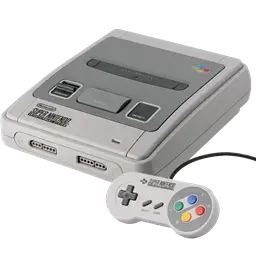
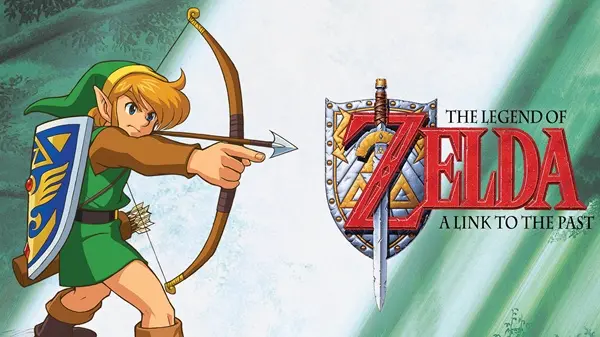
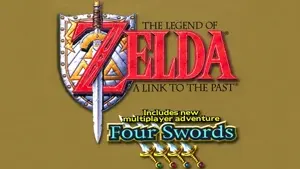
The Legend of Zelda: A Link to the Past is an action-adventure game developed by Nintendo and released for the Super Nintendo Entertainment System in 1991. After the experimental side-scrolling design of Zelda II, this game returned to the top-down style of the original Zelda while greatly expanding the world, storytelling, and dungeon design.
The story begins when Link receives a telepathic message from Princess Zelda asking for help after the wizard Agahnim takes control of Hyrule Castle. What starts as a rescue mission slowly turns into a much larger adventure involving the Sacred Realm, the Triforce, and the corrupted Dark World hidden beyond Hyrule itself.
One of the game’s most memorable ideas is the connection between the Light World and the Dark World. Nearly every location has two versions, and players constantly switch between them to solve puzzles, unlock hidden paths, and reach new dungeons. This dual-world structure gave the adventure a much larger sense of scale compared to earlier Zelda games.
The SNES hardware also allowed the game to feel more alive visually and musically. Forests, villages, swamps, mountains, and dungeons all have distinct atmosphere, while the soundtrack became one of the most recognizable in the series.
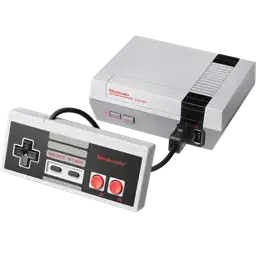
Compared to the NES entries, A Link to the Past feels more polished and balanced in nearly every area. Combat is smoother, exploration feels more rewarding, and dungeons are larger and more creative. Many mechanics that later became standard for the Zelda franchise were refined here, including item-based puzzle solving, hidden heart pieces, and layered dungeon progression.
Even today, many players still consider A Link to the Past one of the defining retro adventure games because of how naturally it combines exploration, combat, puzzle-solving, and world design.
How To Play
In The Legend of Zelda: A Link to the Past, players control Link from a top-down perspective while exploring Hyrule, fighting enemies, solving puzzles, and clearing dungeons to progress through the story.
Combat combines sword attacks with a large collection of items and tools. Players can use bombs, bows, boomerangs, magical rods, hooks, and other equipment during both battles and exploration. Different enemies and puzzles often require specific items, encouraging experimentation throughout the adventure.
One of the game’s core mechanics is traveling between the Light World and the Dark World. Certain blocked areas, hidden entrances, or puzzle solutions only become accessible after switching worlds. Learning how both versions of Hyrule connect is a major part of progression.
Dungeons are larger and more puzzle-focused than earlier Zelda games. Players must search for keys, activate switches, defeat mini-bosses, and discover hidden passages while avoiding traps and stronger enemies. Each dungeon also introduces important items that unlock new areas across the overworld.
Movement and combat feel faster and smoother compared to the NES games, making exploration more fluid. Hidden caves, secret rooms, optional upgrades, and collectible heart pieces reward players who carefully explore every part of the map rather than simply following the main path.