












About The Legend of Zelda: Link’s Awakening
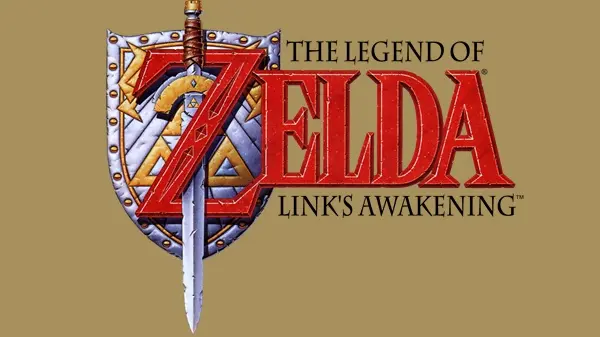
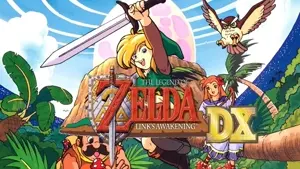
The Legend of Zelda: Link’s Awakening is an action-adventure game developed by Nintendo and released for the Game Boy in 1993. Unlike earlier Zelda games set in Hyrule, this adventure takes place on the mysterious Koholint Island after Link survives a storm at sea and washes ashore unconscious.
The island immediately feels different from the traditional Zelda setting. Instead of kingdoms and castles, Koholint is filled with strange villagers, talking animals, dreamlike locations, and unexpected references to other Nintendo games. The story slowly becomes more mysterious as Link learns about the Wind Fish and the unusual nature of the island itself.
Despite running on the original Game Boy hardware, Link’s Awakening delivers a surprisingly large adventure with detailed dungeons, memorable music, and creative puzzle design. The world feels dense with secrets, hidden caves, item trades, and optional discoveries packed into nearly every area of the map.
One thing that makes this game stand out is its personality. Some moments feel funny or playful, while others become unexpectedly emotional or strange. Compared to the more heroic atmosphere of A Link to the Past, Link’s Awakening feels smaller, quieter, and more personal.
The game also introduced several ideas that later became important parts of the Zelda series, including more character-focused storytelling and puzzle-heavy dungeon design. Even years later, many players still remember Koholint Island because of how unique and unusual the adventure feels compared to other Zelda games.
How To Play
In Link’s Awakening, players control Link from a top-down perspective while exploring Koholint Island, fighting enemies, solving puzzles, and clearing dungeons to awaken the Wind Fish.
Combat uses swords, shields, bombs, bows, and other classic Zelda items, but inventory management plays a bigger role here because the Game Boy only allows a limited number of equipped items at once. Players constantly swap tools depending on the situation, especially during puzzle-solving sections.
The overworld is filled with hidden caves, trading quests, secret paths, and item-based puzzles. One of the game’s most memorable systems is the long trading sequence where Link exchanges items with different characters across the island to eventually unlock important progression rewards.
Dungeons focus heavily on puzzle-solving and navigation. Players must find keys, move blocks, defeat mini-bosses, and use dungeon-specific items to progress deeper into each area. Many puzzles require careful observation rather than direct combat.
Compared to earlier Zelda games, movement feels faster and more flexible thanks to items like the Roc’s Feather, which allows Link to jump over pits and obstacles. This adds platforming-style sections rarely seen in previous Zelda titles and changes how players approach exploration and dungeon traversal.