





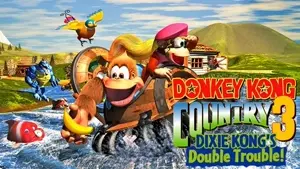
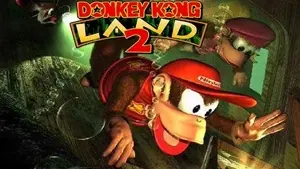


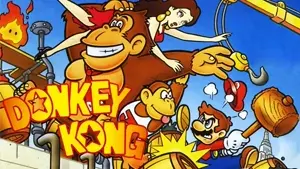

About Donkey Kong Country
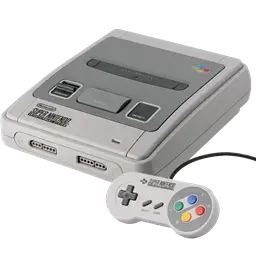
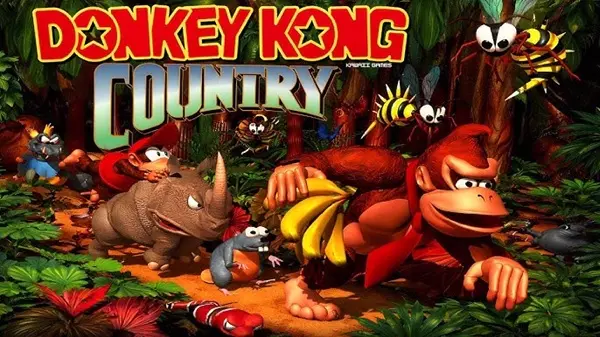
Donkey Kong Country is a 2D side-scrolling platform game developed by Rare and published by Nintendo in 1994 for the Super Nintendo Entertainment System (SNES). It marked a major turning point for the Donkey Kong series, reintroducing the character in a completely reimagined adventure with a darker, more atmospheric jungle setting.
The game follows Donkey Kong and Diddy Kong as they set out to recover their stolen banana hoard from King K. Rool and the Kremlings. Unlike earlier arcade-style entries, this version builds a full platforming world with connected environments like jungles, caves, underwater areas, and industrial factories.
One of its biggest breakthroughs at the time was its pre-rendered 3D-like visuals, which gave the SNES platformers a more modern and detailed look. Combined with atmospheric music and smooth animation, it helped redefine what a 16-bit platform game could feel like.
How To Play
In Donkey Kong Country, players control Donkey Kong and Diddy Kong through classic side-scrolling platform stages filled with enemies, traps, and environmental hazards.
You can switch between the two characters depending on who gets hit or who is available, and each has slightly different movement behavior—Donkey Kong is stronger and can defeat certain enemies more easily, while Diddy Kong is faster and more agile, making him better for tight jumps.
The core gameplay revolves around running, jumping, rolling through enemies, and using team mechanics like throwing barrels or bouncing off enemies to reach higher platforms. Many levels also include animal buddies such as Rambi the rhino or Enguarde the swordfish, which temporarily change how you move and fight.
Stages are designed with strong rhythm and variety—mine cart rides, underwater sections, rope climbs, and fast-paced platforming challenges all appear throughout the adventure. Timing and momentum are key, especially in sections that require quick reactions or precise jumps.
As the game progresses, levels become more complex with tighter platform spacing, faster enemy patterns, and more demanding stage layouts. Success depends on mastering movement flow, learning enemy behavior, and using character strengths at the right moment.