














About Kirby's Dream Land
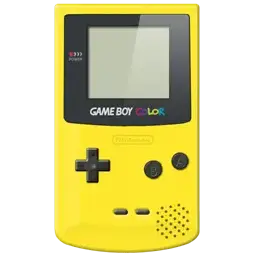
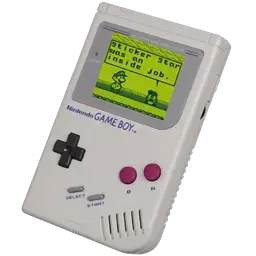
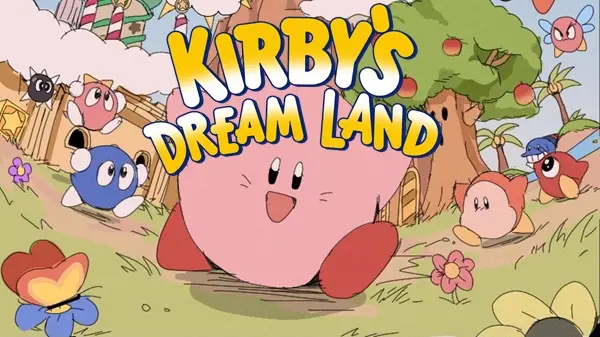
Kirby’s Dream Land is a 2D side-scrolling platform game released for the Nintendo Game Boy in 1992. Developed by HAL Laboratory and published by Nintendo, it is the debut title of the Kirby series and one of the early defining platform games for the handheld system.
The game follows Kirby, a small round character from Dream Land, on a journey to recover food stolen by King Dedede. Along the way, Kirby travels through simple but colorful stages filled with enemies, obstacles, and floating platforms, eventually reaching Dedede’s castle for a final showdown.
Compared to later entries in the series, this first game keeps things very simple. Kirby does not yet have his iconic copy ability, so gameplay focuses more on movement, jumping, and inhaling enemies to spit them out as projectiles. This gives the game a straightforward but charming rhythm that fits the early Game Boy hardware.
The level design is compact and easy to follow, making it accessible for beginners while still offering small platforming challenges and boss fights at the end of each stage. Its soft visual style and relaxed pacing helped define Kirby’s identity as a more approachable platform hero.
How To Play
In Kirby’s Dream Land, players control Kirby through 2D side-scrolling stages filled with enemies, pits, and floating platforms.
Kirby can jump, float for short distances, inhale enemies, and spit them back as stars to defeat obstacles. These simple controls form the core of all gameplay, making movement and timing more important than complex mechanics.
Each stage is made up of short platforming sections leading to a boss fight at the end. Enemies appear in predictable patterns, so learning when to inhale or avoid them helps progress more smoothly.
Players must carefully time jumps across gaps, avoid hazards like spikes or pits, and use inhaled enemies as projectiles to clear blocked paths or defeat stronger opponents.
Boss battles take place at the end of each world, where Kirby must rely on timing, positioning, and repeated attacks to win. As the game progresses, stages introduce slightly tougher enemy patterns and tighter platform sections, requiring better control of Kirby’s floating ability.