





About Kirby’s Dream Land 2
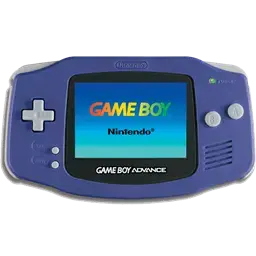
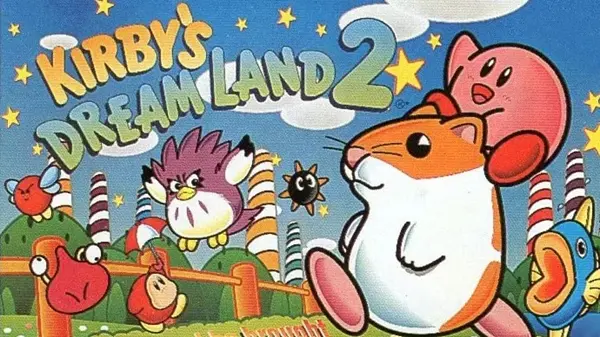
Kirby’s Dream Land 2 is a 2D side-scrolling platform game released for the Game Boy in 1995. Developed by HAL Laboratory and published by Nintendo, it is the sequel to Kirby’s first handheld adventure and expands the series with more abilities, companion characters, and richer level design.
The story follows Kirby as he travels through the Rainbow Islands to restore peace after the Dark Matter invades Dream Land and corrupts its inhabitants. Along the journey, Kirby must collect Rainbow Drops hidden across different themed worlds in order to unlock the final path and confront the source of the corruption.
Compared to the original game, this sequel introduces a major gameplay upgrade: animal companions. Kirby can team up with three different animals—Rick the hamster, Kine the fish, and Coo the owl—each changing how Kirby moves and interacts with levels. Combined with Kirby’s copy abilities, this system creates many different ways to approach stages.
The game keeps the simple, approachable platforming style of the series while adding more depth through exploration, hidden collectibles, and ability combinations. Each world features varied environments such as forests, oceans, ice zones, and sky-based levels.
How To Play
In Kirby’s Dream Land 2, players control Kirby through 2D side-scrolling platform stages filled with enemies, hazards, and hidden paths.
Kirby can jump, float, inhale enemies, and copy certain abilities. These abilities can be combined with animal companions, creating different movement styles—for example, swimming faster with Kine or gliding more freely with Coo.
Each stage is designed with exploration in mind. Players search for hidden Rainbow Drops and secret areas while progressing through platforming sections filled with pits, spikes, and moving obstacles.
Enemies can be inhaled and either spat out as projectiles or used to gain temporary abilities. Choosing the right combination of ability and companion often changes how a stage is approached.
Boss fights appear at the end of each world, requiring players to learn attack patterns and use copied abilities effectively. As the game progresses, levels become more complex, with tighter jumps, more enemy variety, and trickier hidden routes that reward careful exploration.