












About Kirby’s Adventure
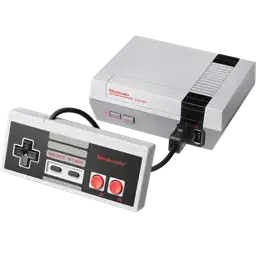
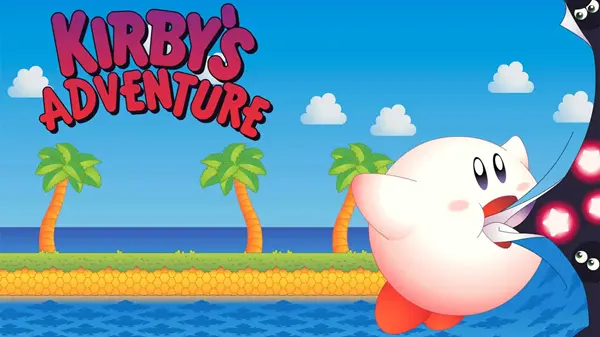
Kirby’s Adventure is a classic 2D side-scrolling platform game released for the Nintendo Entertainment System (NES) in 1993. Developed by HAL Laboratory and published by Nintendo, it is widely recognized as the first Kirby game to fully define the character’s signature abilities and gameplay identity.
The story begins when the Fountain of Dreams is mysteriously disturbed, causing nightmares to spread across Dream Land. Kirby sets out to investigate and quickly discovers that King Dedede has broken the Star Rod and scattered its pieces across multiple themed worlds. To restore peace, Kirby must travel through Dream Land, recover the missing fragments, and confront the forces behind the chaos.
Unlike Kirby’s earlier Game Boy debut, this entry introduces a much richer gameplay system built around ability-based platforming. Enemies are no longer just obstacles—they become tools, as Kirby can inhale them and copy their powers. This simple idea completely changes how each stage is approached, making exploration and experimentation a big part of the experience.
The game also stands out visually on the NES, using detailed sprite animation and colorful environments that give each world a distinct identity. From grassy plains and underwater ruins to mechanical towers and dreamlike castles, every stage feels varied and memorable.
How To Play
In Kirby’s Adventure, players control Kirby through 2D side-scrolling platform stages filled with enemies, hazards, and hidden paths.
Kirby can jump, float for short distances, inhale enemies, and copy their abilities. Each copied ability changes gameplay—for example, fire lets Kirby shoot flames, sword gives close-range attacks, and ice allows freezing enemies. Choosing the right ability often helps overcome specific obstacles or enemy types.
Stages are designed with multiple routes, encouraging exploration rather than simply rushing to the goal. Players can discover hidden switches, bonus rooms, and collectible items by experimenting with abilities and exploring off-path areas.
Combat is simple but flexible. Players can either inhale and spit enemies as projectiles or use copied powers to deal with enemies more efficiently. Boss battles often require understanding attack patterns and using abilities strategically rather than just relying on basic movement.
As the game progresses, levels introduce more complex platform layouts, faster enemy patterns, and situations where selecting the right ability becomes key to survival and progression.