




About Ninja Gaiden
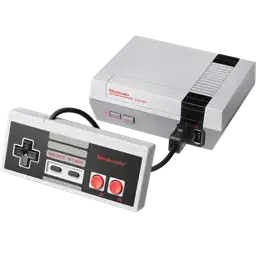
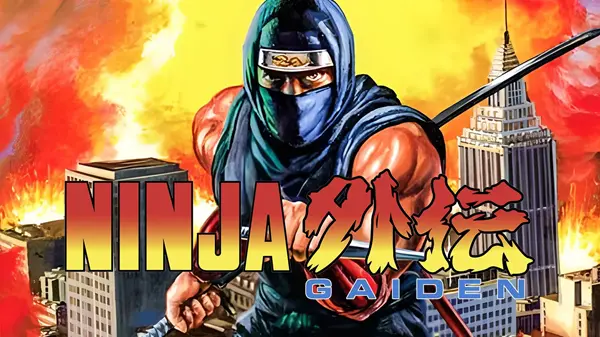
Ninja Gaiden is a classic action-platformer series created by Tecmo (later Koei Tecmo), with its earliest entries released on the NES in 1988 (North America / Europe releases followed shortly after). It quickly became one of the defining ninja-themed action games of the 8-bit era, known for its fast pace, cinematic storytelling style, and high difficulty.
The game follows Ryu Hayabusa, a young ninja who becomes entangled in a global conspiracy after the death of his father and the discovery of an ancient demonic power. The story unfolds through short, stylized cutscenes between stages, which was unusual for its time and helped give Ninja Gaiden a more dramatic, almost cinematic tone compared to other arcade-style platformers.
Gameplay takes place across side-scrolling stages filled with enemies, traps, and vertical platforming sections. The environments shift between city rooftops, underground bases, ancient temples, and dangerous industrial zones. Each stage pushes players forward at a steady pace, mixing combat with precision jumping and environmental hazards.
Combat focuses heavily on close-range sword attacks combined with ninja abilities. Ryu can use sub-weapons such as throwing stars, fire-based techniques, and energy projectiles that help handle different enemy types. The balance between melee timing and ranged skill usage is a key part of surviving tougher sections.
Ninja Gaiden is also known for its high difficulty curve, where enemy placement, knockback mechanics, and limited mistakes create a constant sense of pressure. Boss fights often require memorizing attack patterns and reacting quickly under tight platforming conditions.
How To Play
In Ninja Gaiden, players control Ryu Hayabusa as he moves through side-scrolling levels filled with enemies, traps, and platforming challenges. The main goal in each stage is to reach the end while surviving constant combat pressure and environmental hazards.
Ryu can run, jump, climb walls, and attack with his sword. The sword is the primary weapon for close combat, while sub-weapons provide ranged options for dealing with enemies from a safer distance. These abilities are especially useful in sections where enemies appear from multiple directions or when platforming makes close combat risky.
Stages are designed with vertical and horizontal movement in mind. Players often need to jump between platforms, climb ladders, and avoid hazards such as falling objects or moving traps while fighting enemies at the same time. Timing jumps and attacks is crucial, especially in later levels where platform spacing becomes tighter.
Enemies appear frequently and often in unpredictable patterns, forcing players to stay alert and keep moving. Some areas introduce flying enemies or fast-moving attackers that require quick reaction time and careful positioning.
Boss battles usually take place in enclosed arenas and focus on pattern recognition. Each boss has specific attack sequences that players must learn in order to find safe openings for counterattacks. Surviving these fights often requires balancing aggression with patience, especially when space is limited.