






About Tomb Raider: The Prophecy
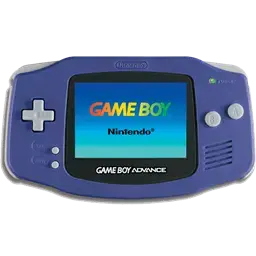
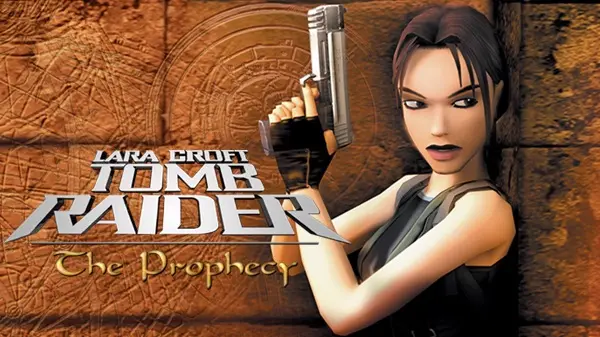
Tomb Raider: The Prophecy is an action-adventure title developed by Core Design and released in 2002 for the Game Boy Advance (GBA). It belongs to the long-running Tomb Raider series centered on Lara Croft, an archaeologist whose journeys usually lead her into ancient ruins, forgotten civilizations, and dangerous traps built around long-lost myths.
Unlike the larger console entries of the era, this version was designed specifically for handheld play, which naturally shaped its structure and pacing. The story follows Lara as she investigates a mysterious prophecy tied to ancient relics scattered across different regions. The narrative keeps things straightforward, focusing more on exploration and discovery than cinematic storytelling, which fits the GBA’s limited hardware style.
The game presents environments inspired by temples, underground chambers, and jungle ruins, with progression built around navigating interconnected rooms rather than large open maps. Each area is designed like a self-contained puzzle space, where exploration gradually reveals how different sections connect together.
On Emulator Games Zone, this GBA entry can be played through a Game Boy Advance emulator, letting players revisit Lara Croft’s portable adventure directly in the browser.
How To Play
Gameplay in Tomb Raider: The Prophecy is built around side-scrolling exploration with a strong focus on movement precision and environmental awareness. Lara travels through layered 2D environments filled with platforms, traps, and hidden paths that often require careful timing to cross safely.
Progress depends heavily on exploration rather than direct guidance. Many paths are blocked until players find the correct item or figure out how to bypass environmental obstacles. Keys, artifacts, and tools collected along the way are used to unlock doors or activate mechanisms hidden within the level design.
Movement is simple but deliberate. Jumping between platforms, climbing ledges, and avoiding hazards like spikes or collapsing floors forms the core rhythm of gameplay. Positioning matters a lot, especially in narrow spaces where a mistimed jump can send Lara back to earlier sections.
Combat exists but stays secondary to navigation. Encounters with enemies are short and usually occur in confined spaces, where spacing and timing determine success rather than complex attack patterns.
Puzzle elements are woven into the level structure. Some require switching between paths, while others rely on finding objects hidden in less obvious corners of the map. The game often encourages backtracking, gradually opening previously unreachable areas as new items are acquired, shaping a loop of exploration and gradual map completion.