







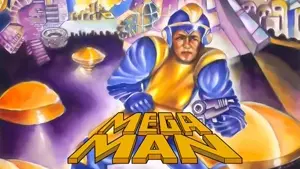
About Mega Man 2
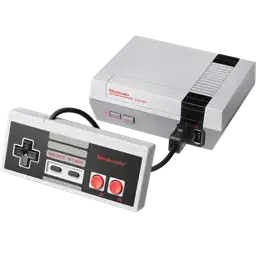
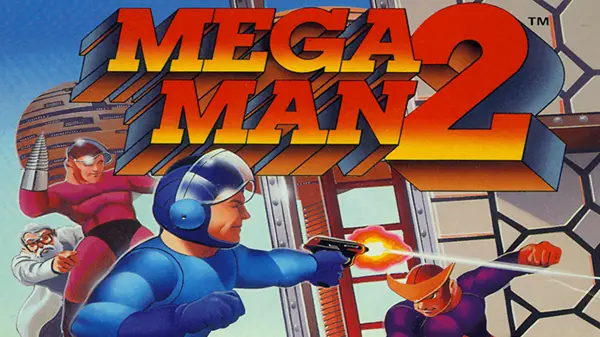
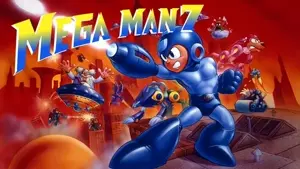
Mega Man 2 is a classic 2D side-scrolling action-platform game released for the Nintendo Entertainment System (NES) in 1988. Developed and published by Capcom, it is widely regarded as one of the most polished and influential entries in the Mega Man series.
The game continues the story of Mega Man, the robot hero created by Dr. Light, as he takes on Dr. Wily once again after the original Robot Masters rebellion. This time, Wily has created a new set of powerful Robot Masters, each designed with unique abilities and heavily themed stages that challenge both reflexes and strategy.
Mega Man 2 refines the formula introduced in the first game with smoother controls, more balanced difficulty, and a stronger sense of progression. Each stage feels more distinct, with creative enemy designs, environmental hazards, and memorable boss encounters.
One of the most defining aspects of the game is its weapon system, where defeating a Robot Master grants Mega Man their signature ability. These weapons interact in specific ways, creating a rock-paper-scissors style layer of strategy across stages and boss fights.
The game is also known for its iconic soundtrack, tight platforming design, and improved pacing, making it one of the most beloved 8-bit action games of all time.
How To Play
In Mega Man 2, players control Mega Man through challenging 2D side-scrolling stages filled with robotic enemies, traps, and platforming obstacles.
Mega Man can jump, shoot his arm cannon, and use acquired weapons to defeat enemies and progress through each stage. The core gameplay focuses on precise movement, timing, and learning enemy patterns.
At the start of the game, players can choose the order of the Robot Master stages. Each boss has a specific weakness to another boss’s weapon, encouraging players to experiment with different stage orders and strategies.
After defeating a Robot Master, Mega Man gains their weapon, which can change how future stages are approached—some weapons are better for clearing enemies, while others are more effective against bosses or environmental hazards.
Stages become progressively harder, introducing faster enemies, tighter platform sections, and more complex hazards that demand quick reactions and careful positioning. Boss fights require pattern recognition and efficient weapon use to win.
As players advance, mastering weapon strengths and stage order becomes key to completing the game efficiently and overcoming its toughest challenges.