


About The King of Fighters '95
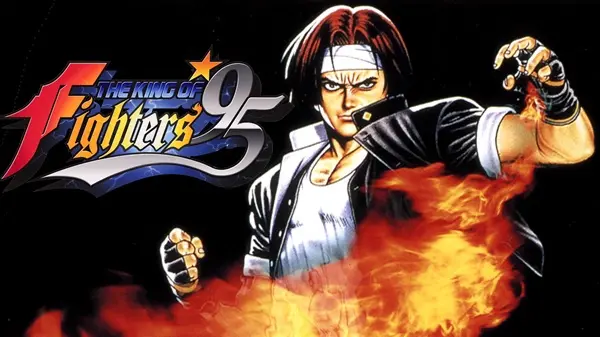
The King of Fighters '95 (KOF ’95) is a classic 2D arcade fighting game released in 1995 by SNK for the Neo Geo MVS arcade system, later arriving on home consoles. It is the second entry in the King of Fighters series, and it builds directly on the team-based fighting formula introduced in KOF ’94 while refining balance, characters, and presentation.
The story continues the mysterious global fighting tournament concept, once again drawing fighters from across SNK franchises into a single competition. This time, the tournament is tied to the return of Rugal Bernstein, who sets the stage for another high-stakes battle involving returning rivals and new challengers. A key narrative addition in this entry is the introduction of Iori Yagami, who becomes a major rival figure to Kyo Kusanagi and remains one of the most iconic characters in the series.
KOF ’95 keeps the signature 3-on-3 team battle system, but improves responsiveness and character handling compared to the first game. The roster expands with returning favorites and new fighters, giving players more options for team composition and match strategies.
Visually, the game continues the strong Neo Geo arcade style with detailed sprites, dynamic stage backgrounds, and faster animation flow. The combat system emphasizes tight controls, precise timing, and strategic use of special moves and supers.
The game also reinforces the idea of long-form tournament progression, where players must adapt to different fighting styles across multiple teams before reaching the final boss battles.
How To Play
In The King of Fighters ’95, players select a team of three fighters and compete in a structured tournament. Each match is a 1v1 fight, and the losing character is replaced by the next teammate until one side runs out of fighters.
Combat uses a traditional fighting game control system with punches, kicks, directional inputs, and special move commands. Players build offense through combos, spacing control, and well-timed attacks while reacting to opponent movements.
The team system plays a major role in strategy. Because health does not fully reset between rounds for surviving characters, players must decide how to manage their strongest fighters across multiple battles.
Each character has unique fighting styles, including projectile-based attacks, grapples, rush combos, and defensive counters. Understanding these differences is essential for building effective teams and countering opponents in later rounds.
Matches take place across various international-themed stages, each reflecting different regions of the tournament. The pacing gradually increases as players progress, leading to more difficult opponents and faster decision-making requirements.
Victory depends on mastering timing, spacing, and efficient use of special moves while managing the entire team through a multi-fighter tournament structure.