













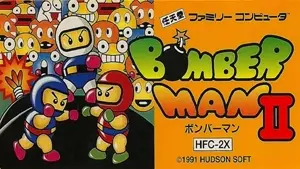
About Bomberman
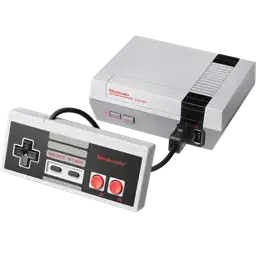
Bomberman is a maze-based action game developed by Hudson Soft and released for the Nintendo Entertainment System in 1983. The game follows the small white robot known as Bomberman as he fights through underground maze stages filled with enemies, hidden exits, and destructible walls. While the idea is simple, the gameplay quickly becomes fast and surprisingly strategic.
Unlike many action games from the same era that focused heavily on direct combat, Bomberman is built around positioning and timing. Players cannot attack enemies directly. Instead, bombs must be placed carefully to trap enemies inside explosion paths while still leaving room to escape safely. Since your own bombs can also defeat you instantly, every stage becomes a balance between aggression and survival.
The NES version keeps the presentation clean and straightforward, with maze layouts that gradually become more dangerous as new enemy types appear. Some enemies move slowly and predictably, while others chase the player or ignore walls completely, forcing quick reactions in tighter spaces. The game also hides power-ups inside soft blocks, rewarding players who take risks and clear larger areas of the map.
One reason Bomberman became so memorable is how tense even small moments can feel. A single badly placed bomb can trap the player in a corner, while chain explosions can suddenly clear half the stage in seconds. Despite the simple graphics, the game creates a constant feeling of pressure once multiple enemies and larger blast ranges are active at the same time.
Bomberman later grew into one of the most recognizable multiplayer franchises in retro gaming, but the original NES release still stands out for its straightforward arcade-style design and addictive stage progression.
How To Play
In Bomberman, players move through maze-like stages while placing bombs to destroy breakable walls and defeat enemies. Each level contains a hidden exit door buried under one of the soft blocks, so clearing paths is an important part of progression.
Bombs explode in four directions after a short delay. The blast can destroy enemies, walls, and even the player, so timing matters constantly. Early stages are fairly open, but later levels introduce tighter corridors and faster enemies that make escaping explosions much harder.
Power-ups hidden inside walls can improve bomb range, increase the number of bombs you can place, or boost movement speed. These upgrades become essential in later stages where enemies move aggressively and maps become more crowded.
The game does not include direct attacks or complicated controls. Players mainly focus on movement, bomb placement, and learning enemy patterns. Some enemies simply wander around the maze, while others actively chase the player or pass through obstacles, creating situations where quick thinking is more important than fast reflexes alone.
As stages progress, the game becomes less about destroying everything on screen and more about controlling space without trapping yourself. Careless bomb placement is often the biggest danger, especially when stronger power-ups create much larger explosions.