












About Need for Speed: Underground 2
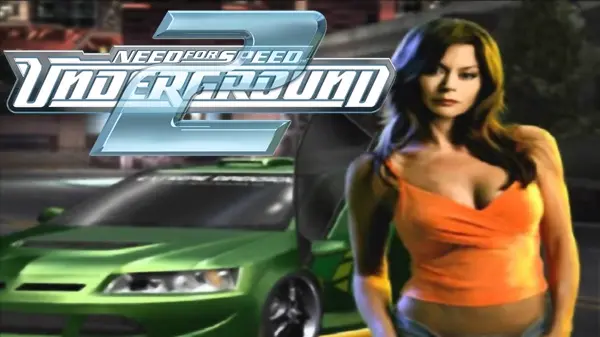
Need for Speed: Underground 2 is a street racing game developed by EA Black Box and published by Electronic Arts in 2004. It expands the Underground formula with a stronger focus on car culture, nighttime street racing, and deep customization, turning illegal racing into a full underground lifestyle experience.
The game was released across multiple platforms, including PlayStation 2, Xbox, GameCube, PC, and handheld adaptations, each presenting the underground racing world in different ways. Console editions are known for their open-world structure set in Bayview, while other adaptations rework the experience into more compact race-based progression.
Set in the city of Bayview, players move through districts filled with street races, rival crews, and hidden events. Instead of following a strict linear path, progression is tied to exploration and performance, letting players decide how they want to rise through the underground scene.
Customization plays a major role throughout the game. Players can modify both visual and performance aspects of their cars, from body kits and paint jobs to engine upgrades and handling tuning. Each build reflects a different approach to racing, whether focused on speed, control, or style.
You can play Need for Speed: Underground 2 on Emulator Games Zone using a GBA emulator, offering a more compact, race-focused interpretation of the game designed for quick access and handheld-style play.
How To Play
Gameplay centers on entering street races, earning money, upgrading cars, and increasing reputation within the underground scene. As progression continues, new districts open up with stronger opponents and higher-stakes events.
Race types include circuit races, sprint events, drift challenges, and progression-based competitions. Winning events rewards cash and unlocks new upgrades, encouraging continuous improvement of both car performance and driving skill.
The available GBA emulator version presents the experience in a more streamlined structure compared to open-world editions. Instead of free exploration, players move directly between events, making progression faster and more direct while keeping the core racing loop intact.
A top-down racing perspective changes how races are approached. With more visibility of upcoming corners and traffic, players rely less on visual immersion and more on planning, positioning, and efficient cornering.
As difficulty increases, opponents become more aggressive and tracks demand cleaner driving lines. Success depends on choosing suitable cars for each event and maintaining momentum through tight urban layouts.
Overall, Need for Speed: Underground 2 retains its identity as a street racing progression game centered on customization, reputation, and performance-driven upgrades, even in more compact handheld-style adaptations.