







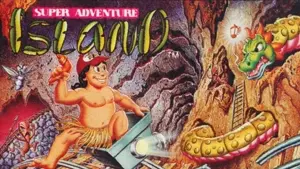


About Adventure Island III
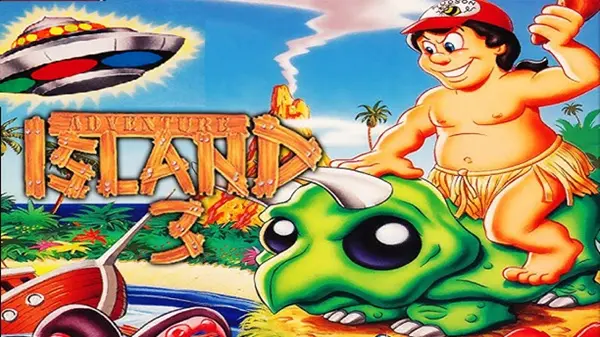
Adventure Island III is a side-scrolling platform game released by Hudson Soft for the Nintendo Entertainment System (NES) in 1992. It continues Master Higgins’ tropical adventures and expands many of the ideas introduced in Adventure Island II, especially the dinosaur companion system and overworld exploration. This time, Higgins travels across dangerous islands to rescue his captured dinosaur friends from invading enemies.
Compared to the earlier games, Adventure Island III feels more open and adventure-focused. Instead of simply moving from one stage to the next, players can explore branching paths across different islands, revisit areas, and search for hidden items. The game still keeps the fast platforming style of the series, with fruit-based health management, skateboard power-ups, and precise jumping, but the pacing feels slightly more balanced and less punishing than the original Adventure Island.
The dinosaur companions play a much larger role in this entry. Different dinosaurs provide unique abilities such as breathing fire, swimming more effectively, or helping players cross dangerous terrain. Certain stages become much easier with the right companion, adding more strategy and variety to exploration.
Adventure Island III also features more detailed environments than earlier NES entries. Players travel through beaches, caves, forests, volcanoes, icy mountains, and underwater stages filled with enemies, moving platforms, and hidden paths. Because of its smoother controls, larger world structure, and expanded gameplay mechanics, many retro players consider Adventure Island III one of the strongest games in the classic NES trilogy.
How To Play
In Adventure Island III, players control Master Higgins by running, jumping, and throwing stone hammers at enemies across side-scrolling island stages. Higgins constantly loses health over time, so collecting fruit and food items is necessary to stay alive while progressing through each level.
The biggest gameplay feature is the dinosaur companion system. Hidden eggs throughout stages contain dinosaurs with different abilities. Some dinosaurs breathe fire for stronger attacks, while others help with underwater movement or crossing difficult terrain. Losing a dinosaur after taking damage can make later sections much harder, especially during platform-heavy stages.
The game uses an overworld map that allows players to choose different routes between islands. Some paths contain hidden items, bonus stages, or alternate areas, making exploration more important than in earlier Adventure Island games.
Stages include moving platforms, lava pits, underwater sections, collapsing bridges, and fast enemy patterns that require careful timing. Skateboards also return as speed-based power-ups, increasing movement speed but making jumps more difficult to control. Boss fights appear throughout the adventure and usually focus on dodging attacks while finding openings to strike back.