
















About Sonic & Knuckles
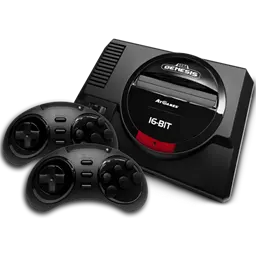
Sonic & Knuckles is a 2D side-scrolling platform game released for the Sega Genesis / Mega Drive in 1994. Developed by Sega Technical Institute and Sonic Team, and published by Sega, it is one of the most unique entries in the classic Sonic series thanks to its innovative cartridge “lock-on” technology.
The game continues the story of Sonic’s battle against Dr. Robotnik, who is attempting to launch the powerful Death Egg space station once again. Along the way, Sonic encounters Knuckles the Echidna, who guards Angel Island and initially believes Sonic is a threat, leading to frequent conflicts and interference throughout the adventure.
What makes Sonic & Knuckles stand out is its lock-on system, which allows it to connect with Sonic the Hedgehog 3. This feature effectively expands both games, unlocking new content, different character paths, and the ability to play as Knuckles or Tails in extended versions of earlier stages.
The levels are designed around high-speed movement, layered environments, and branching paths that reward exploration and replaying stages with different characters. Each zone feels more vertical and interconnected compared to earlier Sonic games, emphasizing both speed and traversal skills.
How To Play
In Sonic & Knuckles, players control Sonic or Knuckles through fast-paced 2D platform stages filled with enemies, traps, and multiple route options.
Sonic focuses on speed and momentum, running through loops, springs, and slopes while maintaining flow across wide, complex levels. Knuckles, on the other hand, plays differently—he can glide across gaps and climb walls, allowing access to hidden paths and alternate routes within the same stages.
The core objective is to move through each zone while collecting rings for protection and reaching the end while avoiding hazards. Many levels are designed with verticality in mind, encouraging players to explore above and below the main path.
Boss fights against Dr. Robotnik often involve mechanical contraptions that require timing, positioning, and pattern recognition rather than simple attacks.
As the game progresses, levels become more intricate, with tighter platforming sections and more branching paths. The ability to replay stages with different characters significantly changes how each zone is experienced, making exploration and mastery of movement key to fully understanding the game.