

















About Sonic the Hedgehog 2
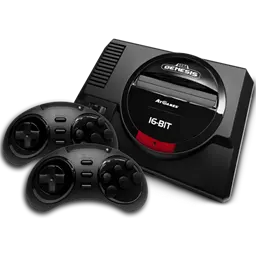
Sonic the Hedgehog 2 is a 2D side-scrolling platform game released for the Sega Genesis / Mega Drive in 1992. Developed by Sega Technical Institute and published by Sega, it is widely regarded as one of the most important entries in the Sonic series, refining the speed-focused gameplay introduced in the original game.
The story follows Sonic and his new partner Tails as they attempt to stop Dr. Robotnik from harvesting Chaos Emeralds and building powerful machines to control the world. For the first time in the series, players can experience a true tag-team adventure, with Tails either controlled by AI or a second player in co-op mode.
Compared to the first Sonic game, Sonic 2 introduces faster level design, smoother controls, and more dynamic stage layouts. Levels are built around momentum, loops, ramps, and alternate paths that reward both speed and exploration. The introduction of Super Sonic—unlocked by collecting all Chaos Emeralds—adds an extra layer of progression and replay value.
Each zone is visually distinct, ranging from bright chemical plants and underwater ruins to desert highways and futuristic industrial zones. The game balances fast movement with precise platforming, making every stage feel energetic but still skill-based.
How To Play
In Sonic the Hedgehog 2, players control Sonic (and optionally Tails) through fast-paced 2D platform stages filled with enemies, traps, and branching routes.
The core gameplay revolves around running, jumping, and building momentum. Sonic can roll into a spin to defeat enemies and break through obstacles while maintaining speed across slopes, loops, and spring pads.
Tails can either be controlled by a second player or follow Sonic automatically, helping with combat and reaching higher areas. This adds a cooperative layer to the gameplay that wasn’t present in the first game.
Each stage contains multiple paths, encouraging players to choose between safer routes or faster, riskier shortcuts. Collecting rings is essential, as they act as protection against damage and help maintain progress through challenging sections.
At the end of each zone, players face boss battles against Dr. Robotnik’s machines, which usually require timing, positioning, and pattern recognition rather than pure speed.
As the game progresses, levels become more complex, with tighter platforming sections, faster hazards, and more intricate layouts that test both reflexes and control over Sonic’s speed and momentum.