
















About Sonic the Hedgehog 3
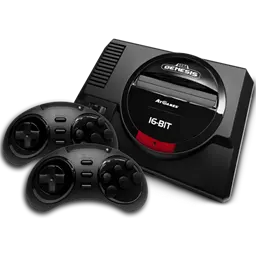
Sonic the Hedgehog 3 is a 2D side-scrolling platform game released for the Sega Genesis / Mega Drive in 1994. Developed by Sonic Team and Sega Technical Institute, and published by Sega, it is a direct continuation of Sonic’s classic Genesis-era adventures and is widely recognized for refining the series’ core mechanics and level design.
The story picks up after Sonic 2, with Sonic and Tails returning to stop Dr. Robotnik, who has crashed on Angel Island and is trying to take control of the powerful Chaos Emeralds once again. This time, they also encounter Knuckles the Echidna, the island’s guardian, who initially sees Sonic as an intruder and becomes a recurring obstacle throughout the journey.
Sonic 3 expands the series with larger, more layered levels and smoother gameplay transitions. The stages are more interconnected, with stronger emphasis on exploration, hidden routes, and environmental variety. One of the key additions is the introduction of elemental shields, which give Sonic temporary abilities like bouncing, underwater protection, or electric movement.
The game is also known for its polished presentation, detailed animations, and seamless level flow, making it one of the most refined entries in the Genesis Sonic trilogy.
How To Play
In Sonic the Hedgehog 3, players control Sonic (and optionally Tails) through fast-paced 2D platform stages filled with enemies, traps, and branching paths.
The main gameplay focuses on momentum-based movement. Sonic can run, jump, roll into a spin attack, and use slopes and springs to maintain high speed while navigating complex terrain. Each zone is designed with multiple routes, allowing players to choose between safer paths or faster, more risky shortcuts.
Tails can assist during gameplay, either controlled by a second player or AI, helping with combat and reaching elevated areas. In some sections, he can even fly briefly, opening alternative exploration opportunities.
A key feature is the shield system. Players can find different shields that change how Sonic interacts with hazards—for example, absorbing one hit, bouncing higher, or moving more efficiently through water or electricity-based areas.
Levels gradually increase in complexity, introducing tighter platforming sections, moving hazards, and faster sequences that require precise timing. At the end of each zone, players face boss battles against Dr. Robotnik’s machines or, at times, encounters involving Knuckles, which mix platforming pressure with attack pattern recognition.
As the game progresses, mastering speed control and path selection becomes essential, especially in later zones where stages are more layered and demand both reflexes and route awareness.