



About Crash Bandicoot 2: N-Tranced
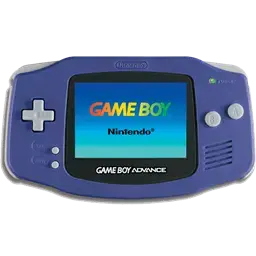
Crash Bandicoot 2: N-Tranced is a 2D side-scrolling platform game released for the Game Boy Advance in 2003. Developed by Vicarious Visions and published by Universal Interactive / Vivendi Universal Games, it continues the handheld Crash Bandicoot series with a new story and updated level design built specifically for portable play.
The story begins when Crash is captured and hypnotized by the villainous N. Trance, who uses mind control to force him into serving Dr. Neo Cortex’s plans. With his friends also affected, Crash must break free from the trance and travel through multiple themed regions to rescue them and stop the villain’s scheme.
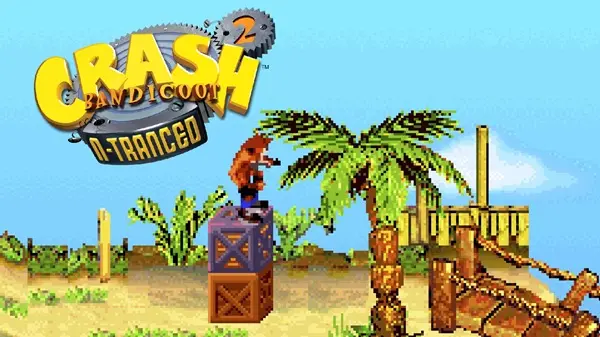
Like its predecessor, the game uses a 2D platforming style, but it adds more variety in stage design and smoother movement mechanics. Levels are tightly structured, focusing on timing, reaction, and memorizing enemy patterns while keeping the classic Crash identity of crate smashing and hazard-filled environments.
The game also includes playable sections featuring other characters, giving small changes in gameplay style and movement behavior. Hidden collectibles and bonus paths encourage replaying stages to achieve full completion.
Crash Bandicoot 2: N-Tranced stands out as one of the more polished handheld entries in the series, refining the GBA formula with better pacing and more varied level challenges.
How To Play
In Crash Bandicoot 2: N-Tranced, players guide Crash through 2D platform stages filled with traps, enemies, moving platforms, and collectible crates.
Controls are simple: run, jump, and use spin attacks to defeat enemies or break crates. Precision is important, especially in later stages where platform gaps become tighter and hazards appear more frequently.
Each level is designed with multiple layers of challenge, including hidden paths, timed jumps, and environmental obstacles such as spikes, falling platforms, and moving hazards. Some sections require careful timing rather than speed alone.
Crates play a major role in progression. They can contain fruit, extra lives, or hidden rewards, and some stages reward players for breaking every crate without missing any. This encourages exploration and careful movement instead of rushing forward.
As the game progresses, levels introduce faster enemy patterns, more complex platform layouts, and trickier jumps that require better control and memory of stage layouts. Players who learn patterns and optimize movement will perform best in later worlds.