










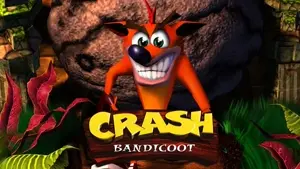
About Crash Bandicoot 2: Cortex Strikes Back
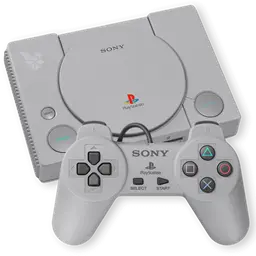
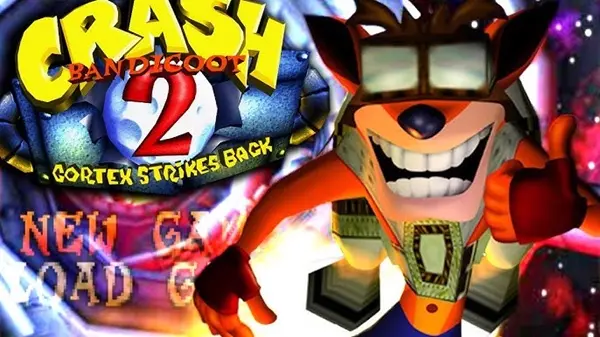
Crash Bandicoot 2: Cortex Strikes Back is a classic 3D platform game released for the Sony PlayStation in 1997. Developed by Naughty Dog and published by Sony Computer Entertainment, it expanded nearly every part of the original Crash Bandicoot formula while keeping the fast-paced platforming style that made the first game so memorable.
The story follows Crash after the events of the original game, with Doctor Neo Cortex returning and convincing Crash to help collect powerful crystals scattered across different regions. While the setup sounds simple at first, the game gradually builds tension around Cortex’s real intentions as Crash moves deeper into the adventure.
Compared to the first Crash Bandicoot, the sequel feels smoother, larger, and more flexible. Stages are connected through a warp room hub system instead of a strict linear map, allowing players to revisit levels, search for hidden paths, and unlock secret areas more naturally.
The environments are also far more varied, ranging from icy caves and jungle ruins to sewer tunnels, snowy mountains, and futuristic laboratories. Combined with improved controls and faster movement, Crash Bandicoot 2 feels less punishing than the first game while still keeping its challenging platform sections and precise timing.
The game also became known for refining the series’ signature crate-smashing gameplay, rewarding players who explore carefully and attempt full crate completions across increasingly difficult stages.
How To Play
In Crash Bandicoot 2: Cortex Strikes Back, players control Crash through 3D platform stages filled with enemies, traps, moving hazards, and collectible items.
The controls focus on running, jumping, sliding, and spinning attacks. Crash can defeat enemies using his spin move or by jumping on certain targets, while platform sections require careful timing and movement precision.
Stages vary heavily in design and pacing. Some levels focus on tight platform jumps across collapsing paths, while others involve fast chase sequences, slippery ice sections, jetpack movement, or riding vehicles through dangerous environments.
The game uses a warp room hub where players can choose different stages instead of progressing through a completely fixed path. This structure encourages replaying levels to uncover hidden exits, secret routes, and missed collectibles.
Crates remain one of the game’s central mechanics. Breaking crates rewards players with fruit, extra lives, and hidden gems, but fully clearing stages often requires exploring alternate paths or mastering difficult jumps.
As the adventure continues, levels become faster and more complex, introducing layered hazards, tougher enemy placement, and more demanding timing challenges that reward practice and memorization.