





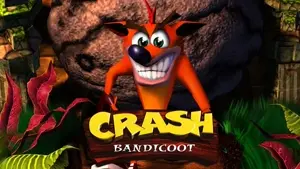
About Crash Boom Bang
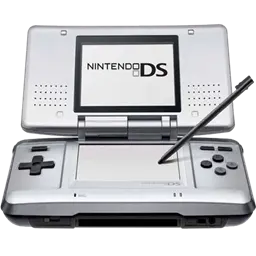
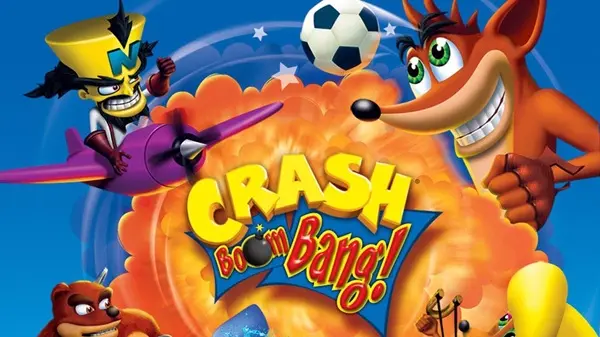
Crash Boom Bang is a lively party game in the Crash Bandicoot universe, developed by Dimps and published by Universal Interactive. It was released in 2006 exclusively for the Nintendo DS, making it one of the few handheld titles in the series designed specifically for portable multiplayer fun. Unlike traditional Crash games that focus on platforming or racing, this title emphasizes mini-game chaos, strategic play, and friendly competition, all packed into bite-sized challenges suitable for quick sessions on the go.
Set across a variety of colorful boards and themed environments, Crash Boom Bang invites players to join Crash, Coco, Cortex, and other familiar faces in a tournament of quirky mini-games. Each environment is packed with hazards, surprises, and opportunities to outwit opponents, creating a dynamic playground rather than just a linear race or battle. The game’s visual style is bright and cartoonish, staying true to the series’ playful aesthetic, while the DS’s dual screens allow unique interactions and mini-game designs that wouldn’t be possible on other consoles. Collectibles and unlockables reward repeated play, giving players reasons to explore different boards and strategies beyond the initial fun.
How To Play
In Crash Boom Bang, up to four players can compete in a series of mini-games across a board-game style map. Each turn involves rolling a die to move, landing on spaces that trigger mini-games, bonuses, or special effects that can change the outcome of the board. The mini-games range from simple reflex challenges to more strategic puzzles that test timing, memory, and planning. Some games might have you jumping between platforms, dodging obstacles, or racing to grab the most items before time runs out.
Players also manage character-specific abilities and collect items along the way to gain advantages, block rivals, or trigger unexpected events. The dual-screen setup of the Nintendo DS is cleverly used in many challenges, such as hiding clues on the bottom screen or offering a map overview while the action unfolds above. The game encourages both competition and experimentation: knowing when to take risks, when to focus on mini-games, and how to leverage board mechanics can make all the difference between winning and losing. Controls are simple, relying on button presses, touch-screen gestures, and stylus interactions depending on the mini-game, making it accessible to new players while still offering depth for those who want to master the mechanics.