





















About Super Mario Bros.: The Lost Levels
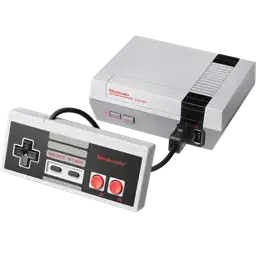
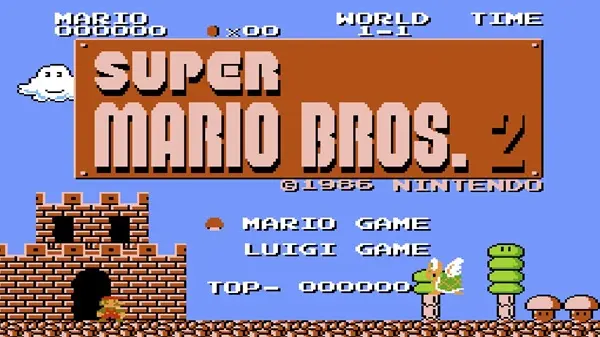
Super Mario Bros.: The Lost Levels is a classic side-scrolling platform game originally released in 1986 for the Nintendo Entertainment System (Famicom Disk System in Japan). Developed and published by Nintendo, the game is actually the original Japanese sequel to Super Mario Bros., though it was considered too difficult for many international players at the time.
Unlike later Mario sequels that introduced completely new mechanics, The Lost Levels keeps the same visual style and core controls as the original Super Mario Bros. The major difference is the level design itself. Stages are far more demanding, with tighter jumps, trickier enemy placement, stronger wind effects, poison mushrooms, and hidden warp zones designed to confuse players rather than help them.
Because of this, the game earned a reputation as one of the hardest classic Mario titles ever released. It feels less like a beginner-friendly platform adventure and more like a challenge built for players who had already mastered the original game.
Even though it looks familiar at first glance, The Lost Levels constantly pushes players into situations that require sharper timing, more patience, and careful memorization of stage layouts.
How To Play
In Super Mario Bros.: The Lost Levels, you control Mario or Luigi through a series of side-scrolling platform stages filled with enemies, hazards, hidden traps, and difficult jumps.
The controls remain close to the original Super Mario Bros. You run, jump, collect coins, and defeat enemies by stomping on them or using power-ups found inside blocks and pipes.
However, the stages are designed to be much more punishing. Narrow platforms, unexpected enemy placement, and longer jump sequences require more precise timing than in the first game. Some areas even use strong wind effects that push your character during jumps, making movement harder to control.
The game also introduces Poison Mushrooms, which look similar to helpful power-ups but actually damage the player when touched. Hidden warp zones and misleading paths add another layer of challenge for players trying to progress without memorizing levels.
Luigi controls differently from Mario in this version, with higher jumps but slightly less traction, giving players two distinct movement styles depending on how they prefer to approach platform sections.
As stages become more difficult, success depends heavily on learning enemy patterns, controlling jump distance, and reacting quickly to traps hidden throughout the Mushroom Kingdom.