










About The Amazing Spider-Man 2
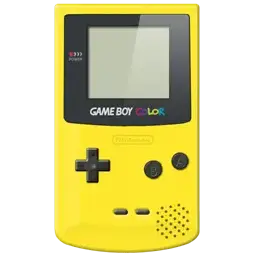
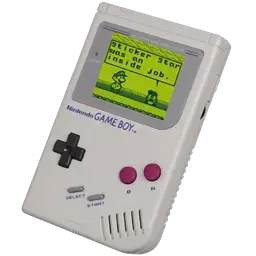
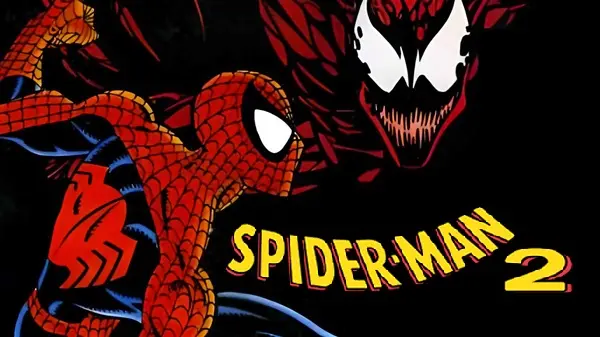
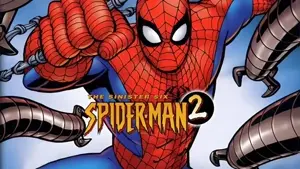
The Amazing Spider-Man 2 is a side-scrolling action platform game released for the Game Boy in 1992. Developed by Bits Studios and published by LJN, it serves as a follow-up to the original handheld Spider-Man title, continuing the same portable comic-book style but with a slightly expanded roster of villains and more varied stage design.
The story once again puts Spider-Man in the middle of chaos across New York City. A group of familiar enemies begins causing trouble at different locations, forcing Peter Parker to move quickly between rooftops, sewers, construction sites, and industrial zones. As the investigation unfolds, he gradually uncovers a larger plan involving multiple villains working together behind the scenes.
Compared to the first Game Boy entry, this sequel feels more structured in its progression. Each stage is tied to a specific villain encounter, and the pacing shifts between exploration-heavy sections and tighter combat sequences. The limited hardware keeps the presentation simple, but the game still manages to build a consistent comic-style rhythm through its level transitions and boss introductions.
Players can experience this classic handheld sequel directly through the Game Boy emulator available on Emulator Games Zone, making it easy to revisit Spider-Man’s early portable adventures without setup or downloads.
How To Play
The Amazing Spider-Man 2 plays as a side-scrolling platform action game where players guide Spider-Man through connected stages filled with enemies, traps, and boss fights. Movement is simple but requires timing, especially when dealing with gaps, moving platforms, and enemies positioned at different heights.
Combat focuses on close-range attacks combined with limited web usage. Spider-Man can punch and jump-kick enemies, while webs are mainly used to stun opponents or create short openings during crowded encounters. Because resources are restricted, most fights naturally shift between direct combat and brief moments of control using webs at the right time.
Each stage is designed around a different environment, and the flow often changes depending on the villain being pursued. Some levels push more platforming, where careful jumping is needed to avoid hazards, while others focus on tighter corridors where enemies appear in groups. Boss fights usually follow a predictable pattern system, requiring players to learn attack timing instead of rushing in.
What makes this version slightly different from the first Game Boy game is the pacing between stages. Transitions feel more connected, with the game guiding players from one villain encounter to the next in a clearer sequence. This gives the whole experience a more continuous structure, even though the core gameplay remains rooted in classic 8-bit handheld action.