















About The Bugs Bunny Crazy Castle
The Bugs Bunny Crazy Castle is a puzzle-action platform game developed by Kemco and released in 1989. It features Bugs Bunny navigating through maze-like buildings filled with enemies and obstacles, focusing more on planning and timing than traditional platform jumping or combat.
The core idea is simple: guide Bugs through each stage, collect all required items, and find the exit while avoiding enemies that patrol set routes. Instead of fast reflex gameplay, the experience leans into observation and route planning, where every movement needs to be considered before stepping into danger.
Each stage is structured like a compact puzzle room. Enemies follow predictable paths, but the layout of stairs, doors, and items forces players to think a few steps ahead. Bugs doesn’t have direct attack abilities, so progress depends on using positioning and stage structure to avoid or outmaneuver threats.
Across different versions, the game is known for its simple controls and focused design, making each level feel like a self-contained challenge rather than part of a continuous action flow.
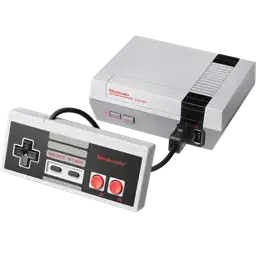
The game was released across multiple platforms, including Nintendo Entertainment System (NES) and other Nintendo hardware variations in different regions.
On Emulator Games Zone, you can play it directly using the NES Emulator, allowing you to experience its original puzzle-action gameplay instantly in your browser without any setup.
How To Play
The Bugs Bunny Crazy Castle plays as a stage-based puzzle game where each level takes place inside a multi-room building. You control Bugs Bunny as he moves left and right, climbs ladders, and navigates between connected areas while avoiding enemies.
The main objective in each stage is to collect all required items, such as carrots or keys, before reaching the exit. Enemies move in fixed patterns, and learning their routes is essential to finding safe openings to pass through tight spaces.
Since Bugs cannot directly fight enemies, the gameplay relies heavily on timing and positioning. You often need to wait for enemies to move away from key paths or use stage layouts to slip past them safely. Rushing usually leads to getting trapped in small corridors.
Later stages increase complexity by adding more enemy overlaps and tighter room layouts, forcing you to plan movement several steps ahead. Some paths require backtracking or precise timing to avoid intersecting patrol routes.
The game is built around short, self-contained stages, making it easy to pick up and complete a few levels at a time, with each screen acting as a small logic puzzle rather than a continuous platforming run.