



About Super Mario Bros. 3
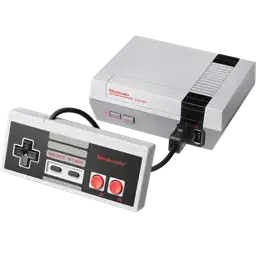
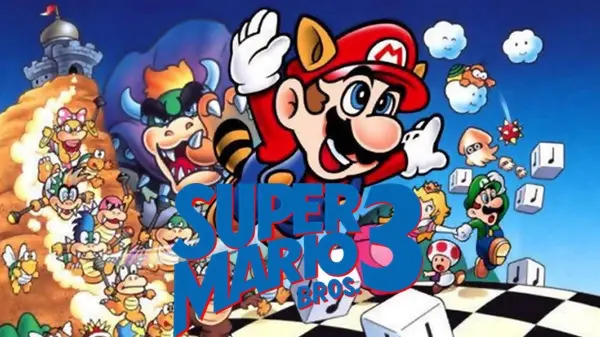
Super Mario Bros. 3 is a classic side-scrolling platform game released for the Nintendo Entertainment System (NES) in 1988 in Japan and 1990 internationally. Developed and published by Nintendo, it is widely considered one of the defining games of the NES era and a major step forward for the Mario series.
The game follows Mario and Luigi as they travel across multiple kingdoms to stop Bowser and rescue the rulers transformed by the Koopalings. Compared to earlier Mario games, Super Mario Bros. 3 feels much larger and more imaginative, introducing world maps, themed environments, hidden secrets, and a huge variety of stage designs.
Each world has its own identity, ranging from deserts and giant lands to icy regions and sky-based stages. This constant change keeps the adventure feeling fresh even during longer play sessions.
The game also introduced several memorable power-ups that became iconic parts of the Mario franchise. Items like the Super Leaf, which transforms Mario into Raccoon Mario, allow players to fly short distances and access hidden areas. Other suits and special items change movement and create different ways to approach platform stages.
Super Mario Bros. 3 combines tight controls with creative level design, making it one of the most replayed and influential retro platform games ever released on the NES.
How To Play
In Super Mario Bros. 3, you guide Mario or Luigi through side-scrolling platform stages filled with enemies, moving platforms, hidden paths, and environmental hazards.
Movement is built around running and jumping, but the game adds much more variety compared to earlier entries. Some stages focus on fast platforming, while others involve underwater movement, flying sections, auto-scrolling airships, or maze-like fortress levels.
Players can collect different power-ups throughout the game. The Super Leaf allows Mario to fly after gaining speed, while other items provide special abilities that help during exploration or combat.
Instead of progressing through levels one after another in a straight line, the game uses an overworld map system where players choose paths between stages, mini-games, fortresses, and bonus areas. Some routes contain optional levels or shortcuts that reward exploration.
Enemies become more varied as the adventure continues, requiring better timing and movement control during longer stages. Castle and airship battles often introduce faster pacing and more complex platform layouts.
The game supports both single-player and alternating multiplayer modes, letting players switch between Mario and Luigi while progressing through the different worlds of the Mushroom Kingdom.