












About Taz-Mania
Taz-Mania is a side-scrolling platform action game developed by Visual Concepts and released in 1992, based on the Looney Tunes character Taz, the Tasmanian Devil. The game builds its entire structure around his unpredictable movement style, turning speed, spinning attacks, and environmental destruction into the main way you interact with each stage.
Instead of slow precision platforming, the experience leans into momentum. You guide Taz through jungle paths, rocky terrain, and maze-like environments where enemies, obstacles, and breakable objects constantly interrupt the flow. Progress often comes from pushing forward aggressively, using Taz’s spin to clear space and open routes rather than carefully avoiding every threat.
Stages are designed with multiple layers and alternate paths, so exploration naturally happens while you move. Some routes are safer but longer, while others are more direct but filled with hazards. This structure gives each level a slightly different rhythm depending on how you choose to approach it.
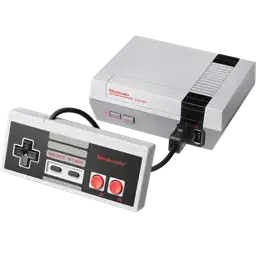
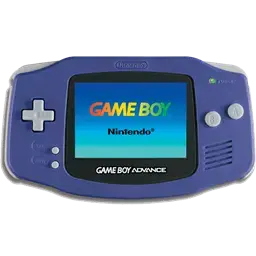
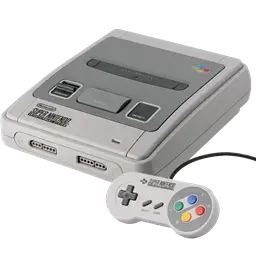
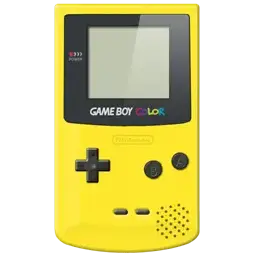
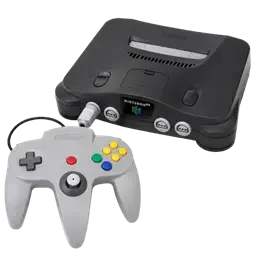
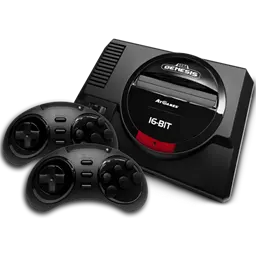
The game was released on multiple platforms, including the Super Nintendo Entertainment System (SNES), Sega Game Gear, Game Boy, Sega Master System and the Sega Genesis / Mega Drive.
On Emulator Games Zone, you can play it using the SNES Emulator, letting you experience the original console version directly in your browser without installation.
How To Play
Taz-Mania puts you in control of Taz as he moves through side-scrolling stages filled with enemies, breakable objects, and platform sections. Movement is simple, but the way you use it changes the outcome of each level. Walking, jumping, and spinning are the core actions, with the spin attack acting as both offense and traversal tool.
The spinning ability is central to gameplay. It allows Taz to break through certain barriers, defeat enemies, and sometimes open hidden paths. However, it also makes movement less precise, so using it at the wrong moment can send you into hazards or off platforms.
Each stage is built around collecting required items and reaching the exit, but the path is rarely linear. You’ll often encounter branching routes, vertical climbs, and hidden shortcuts that reward exploration. Some areas are safer but longer, while others push you through tighter enemy setups.
Enemy patterns are relatively simple at first, but later stages introduce more crowded layouts where timing matters more than speed. Knowing when to spin and when to move carefully becomes the key to maintaining control.
As the game progresses, levels become more interconnected and less predictable, encouraging you to experiment with different approaches instead of relying on a single safe route.